Getting stronger doesn’t require a gym membership. You can build muscle, increase endurance, and improve overall strength right in your living room — as long as you understand one key principle: progressive overload.
Progressive overload is the cornerstone of all strength training. It’s the reason muscles grow, endurance improves, and your body adapts to challenges — and it works just as well at home with bodyweight exercises, resistance bands, or household items.
What Is Progressive Overload?
Progressive overload means gradually increasing the stress you place on your muscles over time. When your muscles experience stress, they adapt by becoming stronger and bigger.
You can apply progressive overload by:
- Adding more reps or sets
- Increasing time under tension (slower movements)
- Adjusting exercise difficulty or leverage
- Reducing rest periods between sets
- Adding external resistance (bands, weights, household objects)
Without progressive overload, your workouts become too easy, and your strength and muscle growth stall.
Why Progressive Overload Works
Your muscles grow through a cycle of stress and repair:
- Stress: You challenge your muscles beyond their usual capacity.
- Microtears: Tiny fibers in the muscles tear from the effort.
- Repair: The body rebuilds these fibers stronger and thicker.
- Adaptation: Over time, your muscles are stronger and more capable of handling heavier loads or increased reps.
This principle applies whether you’re lifting dumbbells or doing push-ups at home.
How to Apply Progressive Overload at Home
1. Increase Reps or Sets
The simplest method: do more repetitions or extra sets over time.
Example:
- Week 1: 3×10 push-ups
- Week 2: 3×12 push-ups
- Week 3: 4×12 push-ups
This gradual increase forces your muscles to adapt without needing external weights.
2. Adjust Exercise Difficulty
Modify bodyweight exercises to make them more challenging:
- Push-ups → Decline push-ups → One-arm push-ups
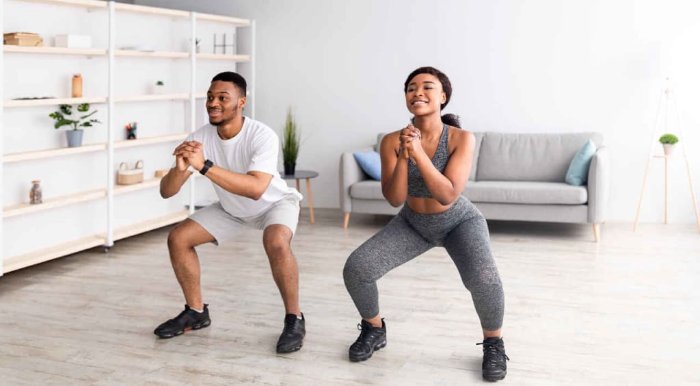
- Squats → Jump squats → Pistol squats
- Planks → Side planks → Plank with shoulder taps
Changing angles or balance increases intensity, simulating added weight.
3. Slow Down Tempo
Increasing time under tension makes your muscles work harder without adding weight.
Example:
- Lower into a squat for 3–5 seconds
- Hold the bottom position for 1–2 seconds
- Explode upward
Slowing your movements recruits more muscle fibers and improves strength.
4. Reduce Rest Between Sets
Shorter rest periods increase intensity and cardiovascular demand, forcing muscles to work harder with less recovery.
Tip: Start with 60–90 seconds between sets and gradually reduce to 30–45 seconds for endurance and strength gains.
5. Add Household Resistance
If you want extra resistance at home:
- Use backpacks filled with books
- Hold water jugs or milk cartons
- Use resistance bands for push, pull, and leg exercises
Even small increases in resistance trigger progressive overload and growth.
Sample Home Workout With Progressive Overload
Full-Body Routine (3x/week):
- Push-Ups → 3×10–15 (progress to decline push-ups)
- Squats → 3×15–20 (progress to jump squats)
- Glute Bridges → 3×12–15 (add single-leg variation)
- Plank → 3×30–60 sec (progress with plank shoulder taps)
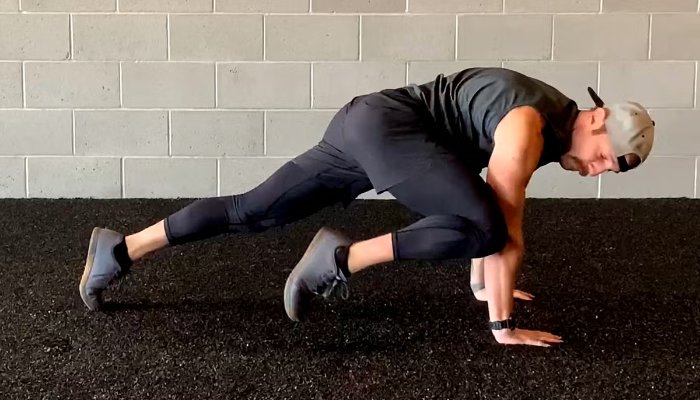
- Mountain Climbers → 3×30–45 sec (increase speed or duration)
Increase reps, sets, or difficulty each week to keep your muscles adapting.
Tips for Success
- Track Your Workouts: Write down reps, sets, and variations.
- Prioritize Form: Don’t sacrifice technique for reps — injuries slow progress.
- Be Patient: Strength gains happen gradually; aim for small improvements each week.
- Rest and Recover: Muscles grow during recovery, so schedule rest days.
- Combine With Nutrition: Eat enough protein and follow a keto or balanced diet to support muscle repair and growth.
The Bottom Line
You don’t need a gym to get stronger — you need progressive overload. By gradually increasing intensity, reps, sets, or resistance, your muscles will continue to grow and adapt.
With bodyweight exercises, household items, or resistance bands, you can create a home workout plan that keeps delivering results week after week.