
Intermittent fasting (IF) and the ketogenic diet are two of the most effective fat-loss approaches used today — but when you combine them, things get interesting. Many people report faster fat loss, fewer cravings, better mental focus, more stable energy, and easier adherence when they combine the two. But why does the combo work so well? And how can you do it safely without destroying your hormones, metabolism, or sanity?
This advanced guide breaks everything down in simple terms: how IF and keto complement each other, what protocols work best, how to avoid common mistakes, and how to actually implement the plan at home without overthinking it.
Let’s dive in.
1. Why Intermittent Fasting and Keto Work So Well Together
Before stacking the two, you need to understand the synergy.
1.1. Keto Lowers Insulin — Fasting Lowers It Even More
Both fasting and keto share one major goal: reducing insulin levels.
When insulin is low, your body can finally tap into stored body fat for energy. Keto gets you into fat-burning mode by limiting carb intake. Fasting extends that fat-burning state by keeping food (which spikes insulin) out of your system for a set number of hours.
1.2. Keto Makes Fasting Easier
One of the hardest parts of IF is hunger. Keto naturally suppresses appetite by:
- Stabilizing blood sugar
- Increasing satiety hormones
- Increasing the use of ketones for energy
This is why many people doing keto naturally drift into intermittent fasting without trying.
1.3. Fasting Deepens Ketosis
During a fast, your body burns through stored glucose quickly. Once that’s gone, your liver increases ketone production, pushing you deeper into ketosis. This means more consistent fat-burning and more mental clarity, which is why many people feel sharp and focused during their fasting window.
2. The Science Behind Fasting on Keto
Let’s keep this simple but accurate.
When you’re in ketosis:
- Your glycogen stores stay low
- Insulin stays low
- Your body prioritizes fat and ketones for fuel
Fasting amplifies those effects. Research shows that fasting:
- Increases human growth hormone (HGH)
- Improves metabolic flexibility
- Boosts mitochondrial efficiency
- Activates autophagy (cellular cleanup)
- Improves insulin sensitivity
Together, these create the “super combo” effect many advanced keto dieters chase.
3. The Best Intermittent Fasting Protocols for Keto
There are dozens of IF schedules, but only a few work exceptionally well with a ketogenic lifestyle — especially for people working out at home.
Below are the top choices.
3.1. The 16:8 Method (Beginner to Intermediate)
This is the most sustainable and widely used fasting schedule.
How it works:
You fast for 16 hours and eat within an 8-hour window.
Example: Eat between 12 PM – 8 PM.
Why it works:
- Easy to maintain long-term
- Allows two solid meals
- Supports workouts without feeling drained
Best for:
Anyone new to stacking IF + keto.
3.2. The 18:6 Method (Intermediate)
Similar to 16:8 but with a slightly longer fast.
Why it works:
- Boosts fat loss
- Helps break plateaus
- Deepens ketosis
Best for:
People already comfortable with keto eating and light fasting.
3.3. The OMAD Method (Advanced)
OMAD = One Meal a Day
You eat all your calories in one sitting.
Why it works:
- Massive boost in autophagy
- Keeps insulin extremely low
- Encourages rapid fat loss (if calories remain controlled)
Best for:
Advanced eaters who’ve built metabolic flexibility.
Not recommended for:
Teens, pregnant women, people with eating disorders, or anyone with medical conditions that make fasting unsafe.
3.4. The 20:4 Warrior Diet (Advanced Athletes or Highly Adapted Keto Users)
Eat in a strict 4-hour window.
Why it works:
- Serious fat-burning window
- Mental focus throughout the day
- Great for experienced fasters
Best for:
Those who already thrive on 18:6 and want to push the benefits further.
4. How to Combine Keto & Intermittent Fasting Safely
Doing IF + keto the wrong way can leave you exhausted, cranky, and stalled. Here’s how to do it correctly.
4.1. Don’t Cut Calories Too Hard
IF naturally reduces your eating window. Keto naturally suppresses appetite. Together, they make it VERY easy to under eat without trying.
Chronic undereating leads to:
- Slow metabolism
- Hormonal issues
- Plateaus
- Binge eating
Aim for nutrient-dense, high-protein meals when you do eat.
4.2. Electrolytes Are Non-Negotiable
When carbs drop, your body flushes water and electrolytes. Fasting increases this effect. If you don’t replenish sodium, potassium, and magnesium, you’ll feel terrible.
You need:
- Sodium: 4–6g per day
- Potassium: 2,000–3,500mg per day
- Magnesium: 300–400mg per day
A simple electrolyte mix can save you from headaches, fatigue, and cravings.
4.3. Stay Hydrated
Keto + IF both increase water loss. Dehydration kills your results fast.
4.4. Eat Enough Protein
Aim for 0.7–1.0g of protein per pound of goal body weight.
Protein is crucial for:
- Preserving muscle
- Keeping you full
- Supporting home workouts
- Healthy metabolism
Low protein = stalled fat loss.
4.5. Pair IF + Keto With Smart Workouts
Since Keto Fitness Club focuses on home workouts, here’s the perfect combo:
Best workouts during fasting windows
- Light cardio
- Stretching
- Yoga
- Mobility
Best workouts during eating windows
- Strength training
- Bodyweight resistance circuits
Lifting weights or doing bodyweight strength moves (push-ups, squats, lunges, kettlebell work) during your eating window helps you burn more fat and preserve lean muscle.
5.What to Eat When You Break Your Fast
Your first meal matters.
You want to avoid insulin spikes and avoid overeating — both of which can happen when you’re very hungry.
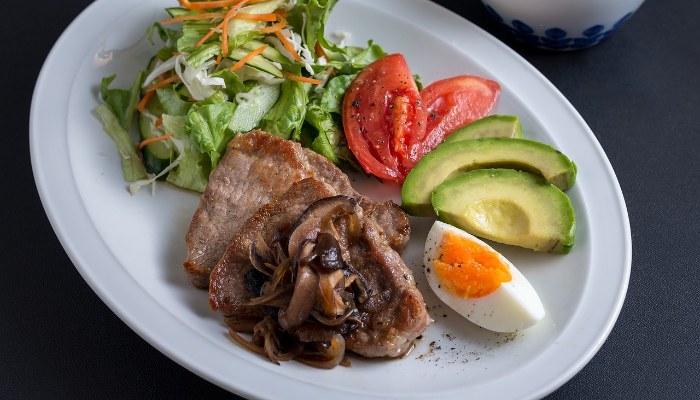
The best foods to break a fast are:
- Eggs
- Chicken, beef, or fish
- Avocado
- Leafy greens
- Greek yogurt (unsweetened)
- Olive oil
- Nuts or seeds
- Low-carb vegetables
Avoid:
- Sugary foods
- High-carb treats
- Ultra-processed snacks
These can knock you out of ketosis and kill your fasting momentum.
6.The Most Common Mistakes to Avoid
Here’s where most people mess up:
6.1. Using IF + Keto as an excuse to binge
A narrow eating window is NOT a license to eat junk.
You still need:
- Whole foods
- High protein
- Healthy fats
- Controlled calories
6.2. Mixing Fasting With Intense Workouts Too Early
If you’re new, don’t jump straight into fasting + hard HIIT + strict keto. You’ll crash.
Start slow.
6.3. Not Sleeping Enough
Sleep controls:
- Hunger hormones
- Fat-burning efficiency
- Willpower
Poor sleep = more cravings and stalled weight loss.
6.4. Becoming “Too Keto”
Some people get so strict that the stress outweighs the benefits.
If you’re obsessed, constantly hungry, exhausted, or thinking about food nonstop, you need to adjust your plan.
7.A Simple Sample Day (18:6 + Keto)
Just to show how doable this is:
7:00 AM — Wake up, black coffee or herbal tea, electrolytes
12:00 PM — Break fast with a high-protein meal: chicken salad with olive oil + avocado
3:00 PM — Light snack if needed: Greek yogurt or boiled eggs
6:00 PM — Main meal: salmon + broccoli + butter + handful of nuts
8:00 PM — Eating window closes
Day ends in deep ketosis with stable energy
8.Who Should NOT Combine IF + Keto
Intermittent fasting + keto is powerful, but not for everyone.
Avoid IF entirely if you:
- Are under 18
- Are pregnant or breastfeeding
- Have a history of eating disorders
- Have diabetes or metabolic conditions without medical supervision
- Take medications that require food
When in doubt, talk to a doctor.
9.Final Takeaway: IF + Keto Is the Ultimate Fat-Loss Accelerator (If Done Right)
Intermittent fasting and keto are each powerful on their own, but together they create a metabolic environment where your body happily burns fat all day.
You get:
- Fewer cravings
- Faster fat loss
- Better mental clarity
- Easier meal planning
- More stable energy
- Better performance in home workouts
Start with a mild fasting schedule (like 16:8), stay consistent with your keto meals, keep electrolytes high, and listen to your body.
Done right, this combo can completely transform your fat-loss journey — and give you a long-term lifestyle that actually feels sustainable.