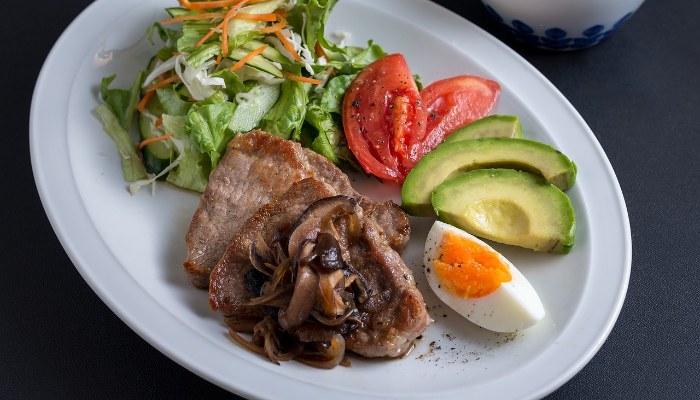

For many people, the ketogenic diet starts as a short-term experiment. Maybe you tried it to lose weight, improve energy, reduce cravings, or just see what all the hype was about. But if you’ve been on keto for a while, you’ve probably asked yourself at least once:
“Can I eat like this forever?”
“Is it healthy long term?”
“How do I avoid feeling restricted?”
These questions are normal—and honestly, they’re important. Because while keto is great for fat loss and stable energy, it can start to feel limited when the world around you is built on bread, fries, and dessert menus.
The good news? Keto doesn’t have to be a lifelong struggle or a diet that isolates you. With the right structure and mindset, you can follow a low-carb lifestyle for years in a way that feels flexible, realistic, and enjoyable.
This guide breaks down how to make keto sustainable long term—without feeling trapped or socially disconnected.
Why Most People Quit Keto (And Why You Don’t Have To)
Keto isn’t hard because it’s unhealthy. It isn’t hard because it doesn’t work. It’s hard because people try to do it perfectly forever.
Strict keto — 20–30 grams of carbs, no flexibility, no breaks — can become stressful over time. Not because the diet itself is bad, but because life isn’t structured around strict rules.
Birthdays happen. Restaurants happen. Vacations happen. Random “I just want to enjoy dinner without thinking too hard” days happen.
If keto makes you feel boxed in, it’s usually because:
- You’re following it too rigidly
- You haven’t customized it to your lifestyle
- You haven’t learned the flexible versions of keto
- You lack variety in meals
- You feel socially limited
- You’re scared of “messing up”
The long-term version of keto is not about perfection.
It’s about creating a system you can live with.
Long-Term Keto Isn’t a Diet — It’s a Spectrum
Most people think keto is all or nothing:
You’re either in ketosis or you’re not. Keto or not keto.
But in reality, keto is a range.
There are levels of carb restriction that still give you many benefits without requiring strictness 24/7:
1. Strict Keto (20–30g net carbs)
Useful for:
- Beginners resetting their metabolism
- People with a lot of carb cravings
- Short-term fat loss
- Certain medical goals (under doctor supervision)
2. Moderate Keto (40–70g net carbs)
Useful for:
- Athletes
- People who want more food flexibility
- Long-term sustainability
- Anyone no longer trying to lose weight aggressively
3. Low-Carb (80–120g net carbs)
Useful for:
- Maintenance
- Social flexibility
- People who like fruit, yogurt, or occasional starch
- Those who just want stable energy and appetite control
Here’s the punchline:
Most long-term keto success stories fall into moderate keto or low-carb.
You don’t have to be in deep ketosis all the time. Don’t have to punish yourself for eating a banana. You don’t have to fear rice on vacation.
The goal is stability, not perfection.
How to Make Keto Sustainable: The Big Principles
These are the mindset shifts that make keto feel freeing instead of restrictive.
1. Focus on the Pattern, Not the Numbers
You can eat low-carb for life if you stop obsessing over:
- exact carb counts
- macros
- ketone levels
- perfection
Instead, build your diet around low-glycemic, whole foods, and keto becomes automatic.
Think:
- eggs
- meat and poultry
- fish
- low-carb vegetables
- nuts
- avocado
- cheese (in moderation)
- olive oil
- berries (occasionally)
If 80–90% of your meals follow this pattern, you’ll get the benefits without feeling chained to a rulebook.
2. Use “Carb Windows” Instead of Feeling Deprived
Carb windows are intentional moments where you allow higher-carb foods in controlled, enjoyable ways.
Examples:
- A dessert at a family event
- Rice or potatoes once a week
- Fruit on weekends
- A flex meal during vacation
When carb moments are planned instead of random, you stay in control — and you stop feeling like keto is an endless no-carbs-allowed prison.
3. Learn Cyclical and Targeted Keto
These two versions of keto were designed specifically for long-term living.
Cyclical Keto (CKD)
Low-carb during the week
Higher-carb meals 1–2 days per week
Perfect for:
- social life
- athletes
- people who don’t want to be strict forever
Targeted Keto (TKD)
Low-carb most of the time
Small carb dose before workouts (like fruit or yogurt)
Perfect for:
- home workouts
- calisthenics
- HIIT
- teens and young adults who train regularly
These small adjustments allow you to enjoy carbs intentionally without losing the benefits of fat adaptation.
4. Avoid the “Keto Perfection Trap”
Many people burn out because they think a single cookie ruins everything. But one meal will not instantly:
- kick you out of ketosis forever
- erase weeks of progress
- destroy your metabolism
When you treat keto as a lifestyle instead of a test you can fail, the whole experience becomes much lighter.
5. Build Variety into Your Meals
A lot of long-term keto boredom comes from eating the same three meals over and over. Avoid this by rotating:
Proteins:
chicken, beef, salmon, sardines, eggs, turkey, lamb
Veggies:
spinach, kale, broccoli, asparagus, cauliflower, zucchini
Fats:
avocado, nuts, olive oil, butter, cheeses
Flexible carbs (moderate keto):
berries, yogurt, sweet potatoes (small portions)
The more variety you allow, the easier it becomes to stay consistent.
6. Don’t Make Keto Your Identity
Keto is a tool — not a personality.
If you think of it that way, you won’t panic every time you eat something off-plan. You also won’t feel socially awkward or disconnected just because your plate looks different from someone else’s.
7. Add a Movement Habit to Reduce Cravings
People who walk daily or do light home workouts often find it easier to stay low-carb long-term. Movement:
- stabilizes appetite
- reduces sugar cravings
- boosts mood
- makes eating patterns more consistent
You don’t need a gym — walking, stretching, or short home workouts are enough.
What Long-Term Keto Should Actually Look Like
Let’s paint a realistic picture.
A typical week might look like:
Monday–Friday:
Low-carb, nutrient-dense meals
Clear, steady energy
Simple home workouts
Saturday:
Moderate-carb meal with family
Maybe a dessert
Still stable, still controlled
Sunday:
Back to low-carb without stress
This is the version of keto people follow for years — not the rigid, anxious “20g of carbs or I failed” version.
Social Life on Keto: How to Make It Easy
This is one of the biggest reasons people quit, so let’s make it simple.
1. At restaurants:
Choose meals that include:
- meat or fish
- veggies
- optional potatoes or rice (if doing moderate keto)
Ask for sauces on the side. Easy.
2. At family dinners:
Eat the protein and veggies.
Take a small amount of the higher-carb items if you want.
No guilt.
3. At parties:
Eat beforehand if needed.
Snacks: cheese, meat, nuts, olives
You don’t need to announce you’re on keto.
Just eat naturally.
Long-Term Keto Should Improve Your Life, Not Limit It
If keto feels like a cage, something needs adjusting. Long-term keto should help you:
- think more clearly
- feel more energetic
- reduce cravings
- maintain a healthy weight
- feel calmer around food
- enjoy meals, not fear them
When done right, keto becomes a calm, flexible lifestyle. Not a punishment. Nor a strict challenge. Not a day-by-day fight with carbs.
Conclusion: Keto Is Sustainable When You Make It Yours
You can do keto long-term — thousands of people do it without feeling trapped. But the key is to stop treating it like a rigid diet and instead use it as a framework that adjusts with your lifestyle.
The real “long-term keto” is:
- flexible
- moderate
- forgiving
- personalized
- enjoyable
- social-friendly
And more than anything, it’s a pattern you return to — not a cage you live in.