Generating ketones efficiently while reducing systemic inflammation is one of the primary goals of a well-formulated ketogenic lifestyle. When done correctly, ketosis can shift the body toward fat-based energy, stabilize blood sugar, and lower inflammatory markers linked to chronic disease. This article explains the fastest, safest, and most effective ways to increase ketone production while supporting overall inflammatory balance.
What Are Ketones and Why They Matter
Ketones are molecules produced by the liver when carbohydrate intake is low and fat becomes the primary fuel source. The three main ketones are beta-hydroxybutyrate (BHB), acetoacetate, and acetone. BHB, in particular, has been shown to act as both an energy source and a signaling molecule that can reduce oxidative stress and inflammation.
The Link Between Ketosis and Inflammation
Chronic inflammation is often driven by blood sugar instability, insulin resistance, and excess processed carbohydrates. Nutritional ketosis helps reduce inflammation by:
- Lowering insulin levels
- Reducing glucose spikes
- Enhancing mitochondrial efficiency
- Activating anti-inflammatory pathways through BHB
Fastest Ways to Generate Ketones
1. Strict Carbohydrate Reduction
Reducing carbohydrate intake to 20–30 grams of net carbs per day is the most direct way to trigger ketone production. Removing sugars, refined grains, and starchy foods allows insulin levels to drop, signaling the liver to produce ketones.
2. Prioritize Healthy Fats
Consuming adequate fat provides the raw material for ketone production. Focus on:
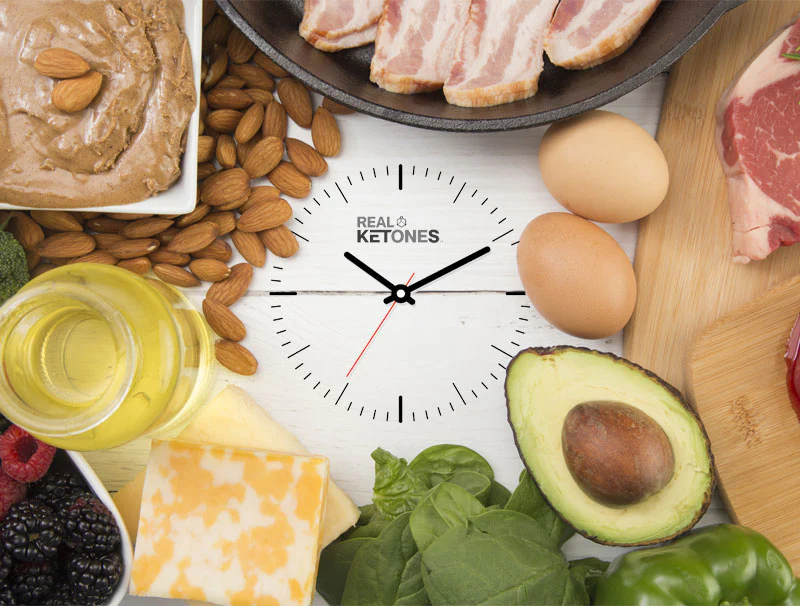
- Avocados and avocado oil
- Olive oil
- Coconut oil and MCT oil
- Fatty fish
- Nuts and seeds
MCT oil is especially effective because it is rapidly converted into ketones by the liver.
3. Moderate Protein Intake
Excess protein can slow ketosis by increasing glucose production through gluconeogenesis. Aim for moderate protein intake based on lean body mass to support muscle without inhibiting ketone generation.
4. Intermittent Fasting
Short fasting windows, such as 16:8 intermittent fasting, accelerate ketone production by depleting stored glucose. Fasting also activates cellular repair processes that further reduce inflammation.
5. Reduce Inflammatory Foods
Eliminating seed oils, processed foods, and artificial additives supports faster metabolic adaptation. Common inflammatory triggers include:
- Refined vegetable oils
- Processed meats
- Artificial sweeteners in excess
6. Optimize Electrolytes and Hydration
Adequate sodium, magnesium, and potassium are essential for nervous system function and metabolic efficiency during ketosis. Electrolyte balance supports energy levels and reduces stress-related inflammation.
Lifestyle Factors That Enhance Ketone Production
- Consistent sleep patterns
- Stress management
- Light to moderate exercise
- Avoiding chronic caloric restriction
Signs You Are Successfully Producing Ketones
- Stable energy throughout the day
- Reduced hunger and cravings
- Improved mental clarity
- Improved mental clarity
- Decreased joint pain or bloating
Safety Considerations
Ketosis should not feel extreme or exhausting. Persistent fatigue, dizziness, or cognitive issues may indicate inadequate calorie intake, electrolyte imbalance, or excessive restriction.
Conclusion
The fastest way to generate ketones and reduce inflammation is through a combination of carbohydrate restriction, healthy fat intake, moderate protein, fasting, and lifestyle balance. When approached strategically, ketosis becomes a powerful metabolic state that supports both energy production and long-term inflammatory control.