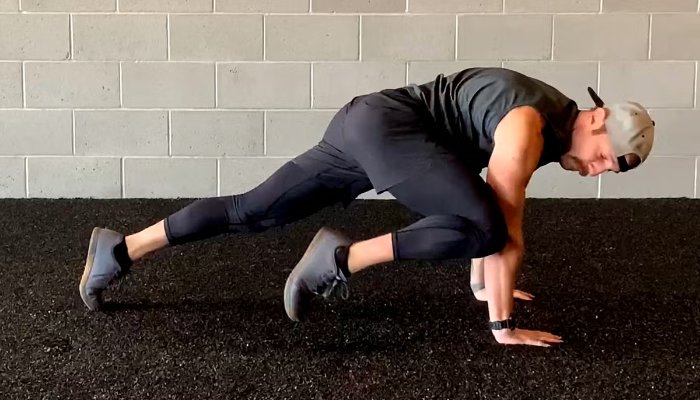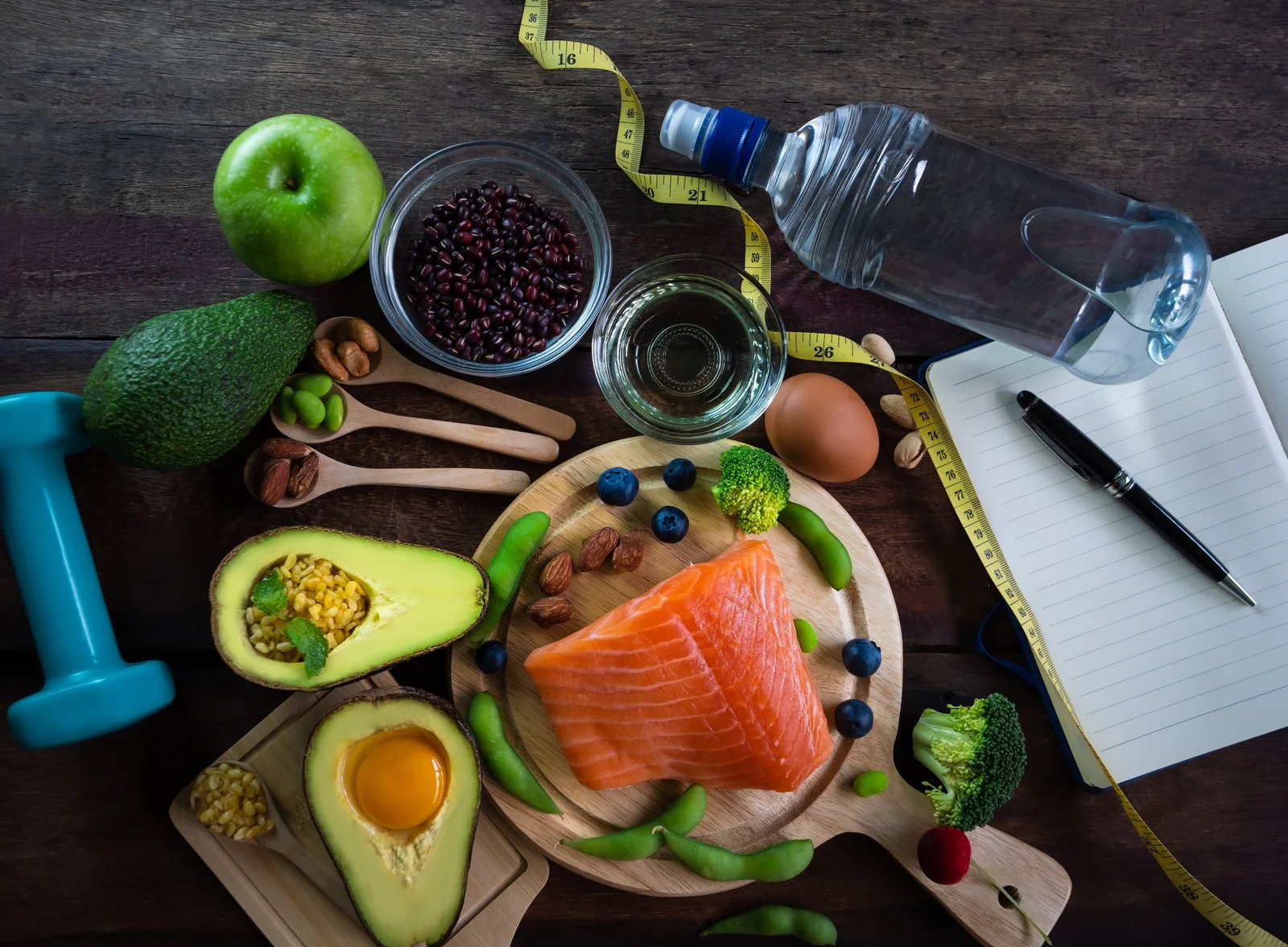
Working out at home while following a low-carb or keto-style eating plan can feel a bit tricky at first. You want enough energy to crush your workouts, build strength, and feel great — but you’re also trying to keep your carbs lower and rely more on fats for fuel. When you get it right, though? The combo can be amazing. You get steady energy, fewer crashes, and the kind of consistency that makes progress actually feel possible.
This guide breaks everything down in simple, realistic terms: how your body uses energy on keto, what to eat before and after a workout, how to stay hydrated, and how to avoid the mistakes that make workouts harder than they need to be.
Let’s dive in.
1. How Energy Works When You’re Eating Low-Carb
Before talking about meals and snacks, it helps to understand what your body is doing behind the scenes.
When you eat a typical high-carb diet, your body mainly uses glucose (sugar) for fuel. On a lower-carb or keto-style diet, your body:
- Uses fat for slow, steady energy
- Produces ketones, which your brain and muscles can use as fuel
- Keeps blood sugar more stable
- Reduces energy crashes
This is why so many people feel more focused and consistent when eating low-carb — especially during workouts that require endurance, steady movement, or high concentration.
However, there’s a catch: high-intensity training relies partly on quick-access energy. This means you need to be smart about how you fuel yourself so you don’t feel sluggish or lightheaded. The good news? You absolutely can train well on keto with the right approach.
2. What Kinds of Workouts Pair Best With Keto
Different types of workouts use energy differently. Here’s the simple version.
Great on Keto
These workouts use slow, steady energy — perfect for fat-fueled training:
- Bodyweight strength workouts
- Yoga
- Pilates
- Moderate-intensity cardio
- Mobility work
- Core training
- Low-impact circuits
Still good, but need smart fueling
These use quick bursts of power, so you’ll want to make sure you’ve eaten enough overall:
- High-intensity interval training (HIIT)
- Sprints
- Explosive movements (like jump squats)
- Heavy strength training
You don’t need carbs to do these, but you do need enough calories, protein, hydration, and electrolytes.
3. How to Decide What to Eat Before a Home Workout
This depends on:
- Your personal energy levels
- Whether you prefer to train fasted
- How long you’ve been eating low-carb
- The intensity of your workout
There’s no single “right” choice — your body will tell you what works. But here are safe, balanced options.
4. Pre-Workout Options That Work Well on Keto
If you like to eat before working out, here are easy choices that won’t spike blood sugar but still give you stable energy.
Option 1: Light Snack (30–60 mins before)
- A handful of nuts
- Greek yogurt (unsweetened)
- Cheese or cottage cheese
- A boiled egg
- Peanut butter or almond butter on celery
- A small portion of avocado
These give you steady energy without feeling too full.
Option 2: Small Protein + Fat Combo
If you’re lifting or doing strength training:
- Scrambled eggs
- Chicken strips
- Tuna with mayo
- A small protein shake (unsweetened)
Strength workouts rely on protein for muscle support, so this option works well.
Option 3: Fasted Workouts
Some people genuinely feel better exercising on an empty stomach, especially for:
- Walking
- Yoga
- Light cardio
- Mobility sessions
This is usually easier once you’ve been eating low-carb for a while and your energy is more stable. If you try it and feel dizzy, hungry, or weak? Eat something next time — no shame, just smart training.
5. Hydration and Electrolytes: The Real Key to Great Workouts
One thing a low-carb diet does is reduce stored water in the body. That means you lose more fluids and electrolytes — especially during workouts.
If you don’t replace them, you’ll feel:
- Tired
- Foggy
- Heavy
- Crampy
- Unmotivated
To avoid that, make sure you:
- Drink enough water throughout the day
- Include sources of sodium, potassium, and magnesium in your meals
- Sip water during workouts
This one habit alone can completely change how good your workouts feel.
6. How to Recover After Your Workouts on Keto
Post-workout nutrition isn’t about huge meals or complicated rules — it’s about giving your body what it needs to repair and feel strong.
Here’s the simple formula:
Protein + Healthy Fats + Hydration
You don’t need high-carb snacks or sugary drinks. Instead, choose foods that support recovery, like:
Great Post-Workout Foods
- Eggs
- Chicken breast
- Lean beef
- Salmon or tuna
- Greek yogurt
- Cottage cheese
- Avocado
- Nuts and seeds
- Olive oil
- Low-carb vegetables
A balanced meal within a couple hours of training helps:
- Repair muscle
- Reduce soreness
- Keep your energy stable
- Support long-term progress
Even if you’re doing home workouts, your body still needs recovery fuel.
7. How Much Protein You Really Need
Protein is crucial no matter what diet you’re on — but especially with home workouts, where bodyweight movements rely heavily on muscle endurance.
A simple guideline is:
- Try to include a source of protein in every meal
- Spread it throughout your day instead of eating most of it at once
This helps keep you full, supports muscle recovery, and boosts workout performance without needing supplements.
8. What NOT to Do When Working Out on Keto
A lot of people make simple mistakes that leave them tired and frustrated. Here’s what to avoid.
❌ Skipping meals all day and then trying to workout hard
You don’t need to overeat, but you DO need enough fuel overall.
❌ Drinking too little water
Hydration is a game-changer on a low-carb routine.
❌ Ignoring electrolytes
Low electrolytes = low energy, headaches, and bad workouts.
❌ Training too hard too soon
If you’re new to keto-style eating, give your body time to adjust before pushing intensity.
❌ Undereating protein
Your muscles need it to stay strong and recover.
You don’t need perfection — just smart choices.
9. A Simple Sample Day of Eating for Home Workouts
Here’s an example of how you might fuel your day without overthinking it.
Morning
- Water
- Light breakfast: eggs + avocado
- Add a pinch of salt to your water for electrolytes
Afternoon Home Workout
- Optional light snack before training
- Sip water during your session
Post-Workout Meal
- Chicken or fish
- Low-carb vegetables
- Healthy fats like olive oil, nuts, or avocado
Evening Snack
- Greek yogurt
- Cheese
- A handful of nuts
This kind of day gives you steady energy, enough protein, and good recovery support.
10. Final Thoughts: You Can Train Strong on Keto
Working out on a low-carb or keto-style diet doesn’t have to feel complicated. You don’t need fancy supplements, massive meals, or strict rules. You just need consistency, hydration, balanced meals, and enough overall fuel.
If you eat well, sleep well, and listen to your body, you can absolutely:
- Build strength
- Improve fitness
- Boost endurance
- Feel energized
- Get real results
Even with simple home workouts.