
Introduction
Why Breakfast Is the Most Dangerous Meal for Insulin Resistance, especially for individuals struggling with insulin resistance and potential side effects .For decades, breakfast has been promoted as “the most important meal of the day.” This belief has been reinforced by food marketing, outdated nutrition guidelines, and cultural habits. However, modern metabolic research paints a very different picture—especially for individuals struggling with insulin resistance.
For people with insulin resistance, prediabetes, unexplained weight gain, or energy crashes, breakfast may actually be the most dangerous meal of the day.
This article explains why breakfast can worsen insulin resistance, how common breakfast foods disrupt blood sugar control, and what evidence-based alternatives support metabolic health.
Understanding Insulin Resistance
Insulin resistance occurs when the body’s cells stop responding efficiently to insulin, the hormone responsible for transporting glucose from the bloodstream into cells for energy.
When insulin resistance develops:
- Blood sugar remains elevated
- The pancreas releases more insulin
- Fat storage increases
- Energy levels fluctuate
- Hunger and cravings intensify
Over time, insulin resistance can progress into type 2 diabetes, obesity, hormonal imbalance, and cardiovascular disease.
Why Breakfast Triggers the Strongest Insulin Response
1. Elevated Morning Blood Sugar (The Dawn Effect)
Many insulin-resistant individuals wake up with already elevated blood sugar due to a natural hormonal response called the Dawn Effect.
In the early morning:
- Cortisol levels are highest
- Cortisol increases blood glucose to promote wakefulness
- Eating carbohydrates compounds this glucose surge
Consuming breakfast on top of elevated morning glucose results in excessive insulin release, worsening insulin resistance from the start of the day.
2. Most Breakfast Foods Are High-Glycemic
Typical breakfast foods include:
- Bread, toast, bagels
- Breakfast cereals, even “whole grain” varieties
- Pancakes, waffles, pastries
- Fruit juices and sweetened coffee drinks
These foods rapidly spike blood sugar, triggering large insulin responses. For insulin-resistant individuals, this leads to:
- Energy crashes within hours
- Increased hunger
- Greater fat storage
- Reduced metabolic flexibility
3. Breakfast Interrupts Fat Burning
After an overnight fast, the body naturally operates in a low-insulin, fat-burning state. Eating breakfast—especially carbohydrates—immediately shuts down fat oxidation.
For individuals with insulin resistance:
- Fat access is already impaired
- Frequent insulin spikes reinforce fat storage
- Metabolic dysfunction deepens
Delaying breakfast allows insulin to remain low longer, supporting fat metabolism and glucose control.
The Breakfast Myth and Metabolism
The claim that skipping breakfast slows metabolism is not supported by strong scientific evidence.
Research shows:
- Skipping breakfast does not reduce metabolic rate
- Appetite control often improves when breakfast is delayed
- Insulin sensitivity can improve with reduced meal frequency
The idea that breakfast is mandatory is largely rooted in marketing and outdated nutritional beliefs rather than metabolic science.
How Skipping Breakfast Improves Insulin Resistance
Strategically skipping or delaying breakfast:
- Keeps insulin levels lower for longer
- Reduces total daily insulin exposure
- Improves fat burning
- Stabilizes blood sugar
- Normalizes hunger hormones
This approach aligns with intermittent fasting, which has been shown to improve insulin sensitivity, reduce inflammation, and support metabolic health.
When Breakfast May Be Appropriate
Breakfast is not inherently harmful, but its composition matters greatly.
If breakfast is consumed, it should:
- Be high in protein
- Include healthy fats
- Be very low in carbohydrates
Examples include:
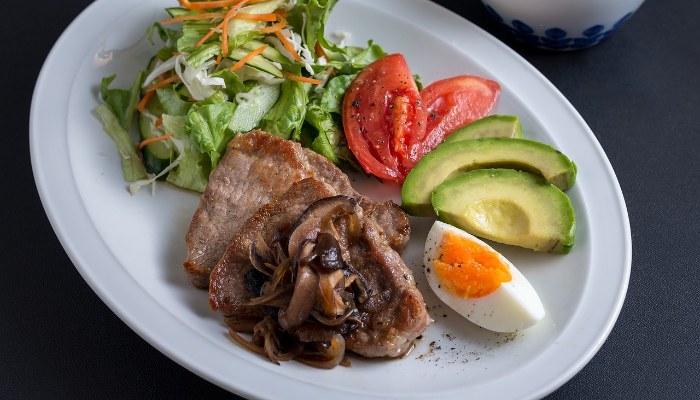
- Eggs with vegetables and healthy fats
- Unsweetened Greek yogurt with seeds
- Protein-focused meals without refined carbohydrates
Conclusion
For individuals with insulin resistance, breakfast—particularly a carbohydrate-heavy one—can be the most metabolically damaging meal of the day. Understanding how insulin works, how morning hormones affect blood sugar, and how food timing influences metabolism is critical for long-term health.
Rethinking breakfast may be one of the most powerful steps toward restoring insulin sensitivity, improving energy, and achieving sustainable metabolic health.