Introduction
Insulin resistance is a metabolic condition where the body’s cells no longer respond efficiently to insulin, leading to elevated blood sugar, inflammation and insulin levels. Over time, this can progress to type 2 diabetes, metabolic syndrome, and cardiovascular disease. Nutrition plays a central role in reversing or managing insulin resistance, and the ketogenic diet has gained significant attention for its effects on blood glucose and insulin levels.
This article explains what actually works when using keto for insulin resistance, based on physiology, clinical evidence, and practical application.
What Is Insulin Resistance?
Insulin is a hormone that allows glucose to enter cells for energy. In insulin resistance, cells become less responsive, forcing the pancreas to produce more insulin to compensate. This leads to chronically high insulin levels, fat storage, inflammation, and metabolic dysfunction.
Common contributors include:
- High refined carbohydrate intake
- Excess visceral fat
- Sedentary lifestyle
- Chronic stress and poor sleep
How the Ketogenic Diet Works
A ketogenic diet is very low in carbohydrates, moderate in protein, and high in fat. By restricting carbohydrates (usually below 50g per day), the body shifts from glucose metabolism to fat metabolism, producing ketones for energy.
This metabolic shift dramatically reduces insulin demand, which is critical for people with insulin resistance.
How Keto Improves Insulin Resistance
1. Lower Insulin Levels
With fewer carbohydrates, blood glucose spikes are minimized, reducing insulin secretion and improving insulin signaling over time.
2. Fat Loss and Visceral Fat Reduction
Keto promotes fat burning and appetite regulation, leading to weight loss and reduced visceral fat — a major driver of insulin resistance.
3. Improved Metabolic Flexibility
Keto trains the body to efficiently switch between fuel sources, improving mitochondrial function and glucose handling.
Clinical Evidence
Multiple studies show ketogenic diets reduce:
- Fasting blood glucose
- HbA1c
- Fasting insulin
- HOMA-IR scores
Most benefits are strongest when keto is sustained long enough to support fat loss and metabolic adaptation.
What Actually Works in Practice
- Keep net carbs consistently low
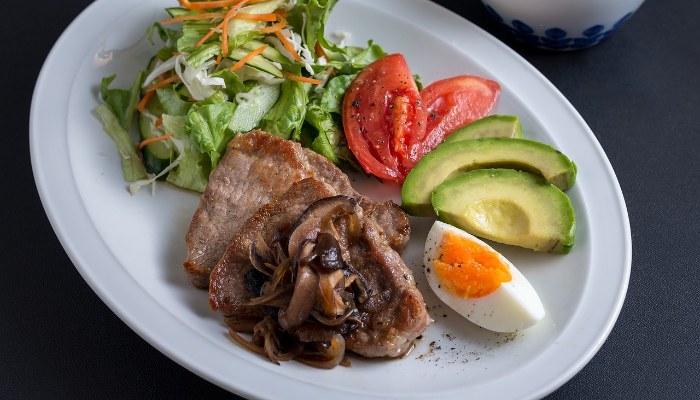
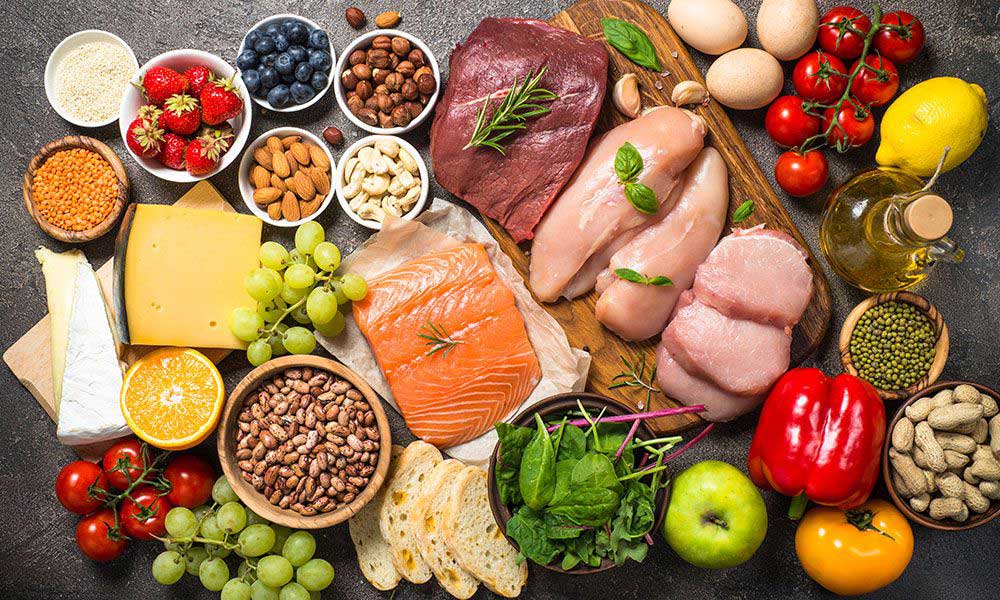
- Focus on whole, unprocessed foods
- Prioritize protein for muscle preservation
- Choose healthy fats
- Combine keto with resistance training and walking
Common Mistakes
- Eating too much protein
- Relying on processed “keto” foods
- Ignoring electrolytes
- Not tracking progress
Who Should Be Cautious
People on diabetes medication, pregnant women, and individuals with eating disorders should consult a healthcare professional before starting keto.
Conclusion
Keto can be an effective strategy for improving insulin resistance when done correctly and sustainably. It works best as part of a lifestyle approach that includes proper nutrition, movement, and consistency.