Introduction
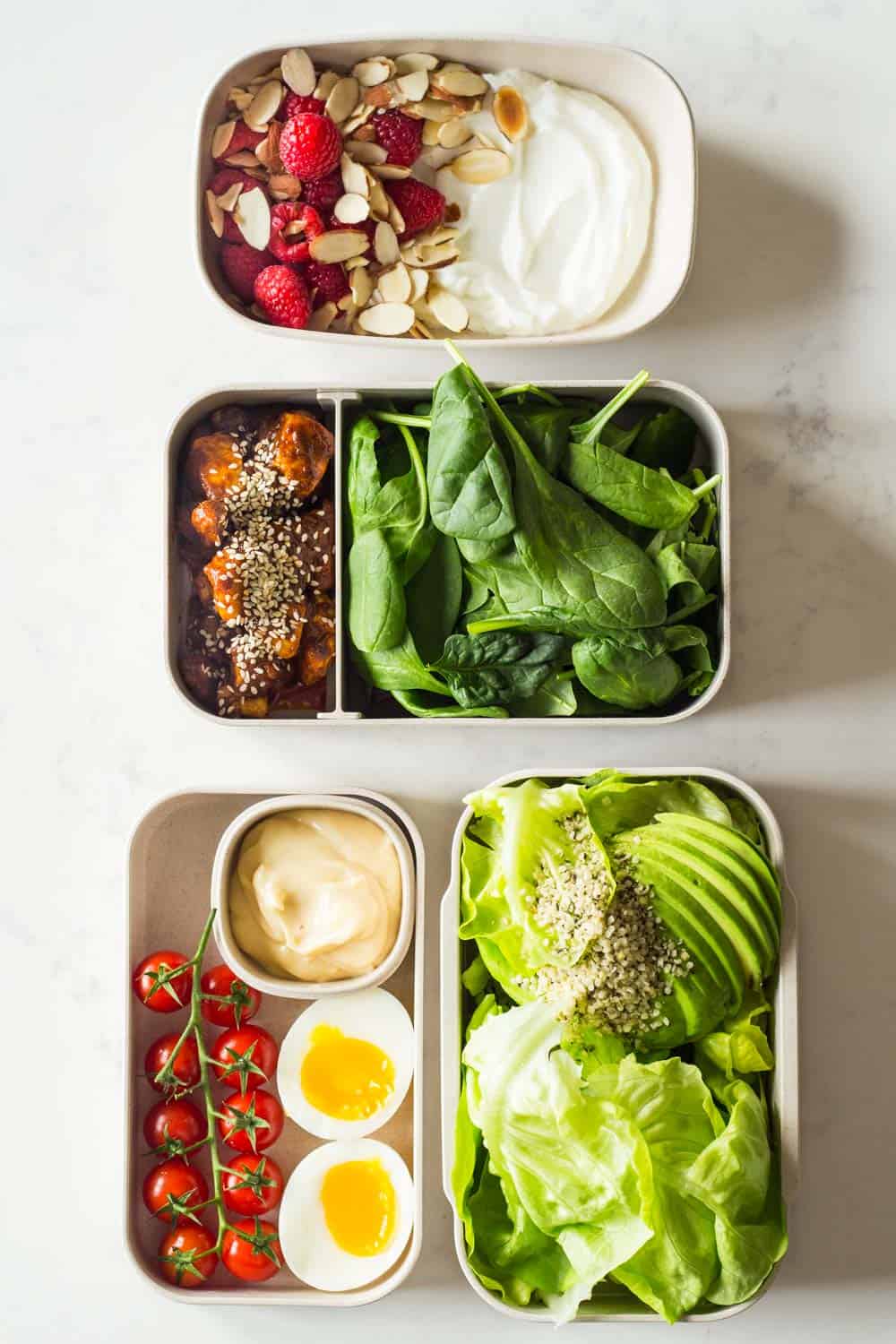
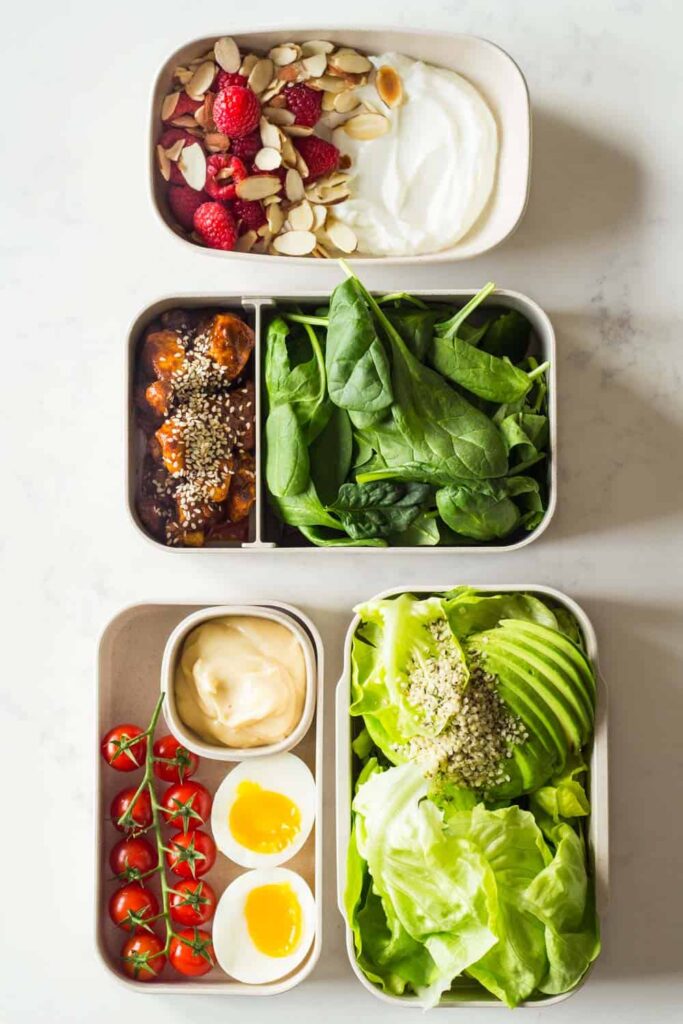
The ketogenic diet has become one of the most popular nutrition strategies in the United States for weight loss, metabolic health, and blood sugar control. However, one of the biggest challenges people face when starting or maintaining keto is knowing what to cook consistently without getting bored or overwhelmed.
Keto diet recipes are the foundation of long-term success. When meals are well-balanced, satisfying, and easy to prepare, keto becomes a lifestyle rather than a short-term diet. This comprehensive guide explains what makes a recipe truly keto-friendly, how to structure meals for fat loss and energy, and provides practical recipe categories designed for real-life schedules.
What Makes a Recipe Keto-Friendly?
A keto-friendly recipe keeps carbohydrate intake low enough to maintain ketosis while providing sufficient protein and healthy fats.
Key criteria include:
- Net carbohydrates generally under 10 grams per meal
- Moderate protein to support lean muscle mass
- Healthy fat sources used intentionally
- No added sugars, refined grains, or starches
Why Recipes Matter on the Keto Diet
Without reliable recipes, many people struggle with repetitive meals, increased reliance on processed products, and poor consistency.
Keto Breakfast Recipes
Breakfast sets the tone for the day. Keto breakfasts should stabilize blood sugar and reduce cravings.
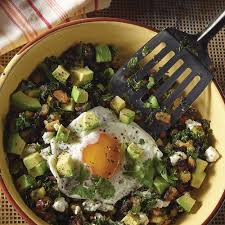
Keto Breakfast: Avocado Egg Skillet
Ingredients (1 serving)
- 2 large eggs
- ½ ripe avocado
- 1 tablespoon olive oil or butter
- Salt (to taste)
- Black pepper (to taste)
- Optional: spinach or green cabbage (small handful, sautéed)
Preparation
- Heat the olive oil or butter in a pan over medium heat.
- Crack the eggs into the pan and cook to your preference (fried or softly scrambled).
- Lightly season with salt and black pepper.
- Slice the avocado and serve alongside the eggs.
- If using vegetables, sauté them briefly in the same pan before adding the eggs.
Macronutrient Breakdown (Approximate)
- Calories: 450–500 kcal
- Fat: 35–40 g
- Protein: 18–22 g
- Net Carbs: 3–5 g
This keeps you solidly in ketosis while providing sustained energy and satiety.
Why This Works for Keto
- High healthy fats → supports ketosis
- Moderate protein → prevents insulin spikes
- Very low carbohydrates → stabilizes blood sugar
- Simple ingredients → easy daily compliance
Optional Variations
- Add cheese (cheddar or mozzarella) for more fat
- Cook eggs in coconut oil for flavor variety
- Replace avocado with olives if unavailable
Keto Lunch Recipes
Lunch should be portable, satisfying, and balanced.
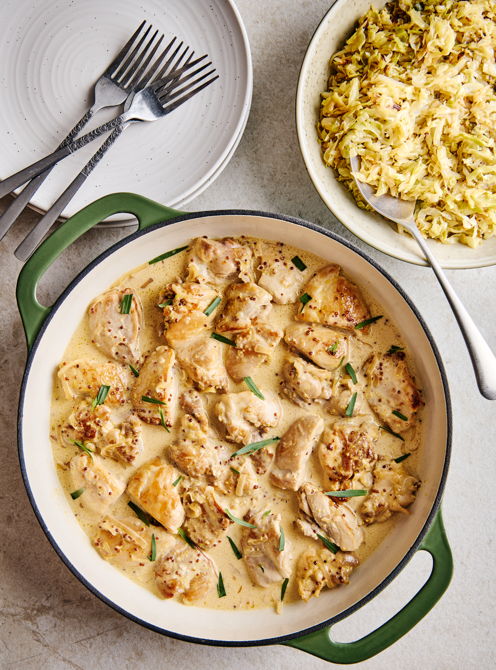
Keto Lunch: Creamy Garlic Chicken with Sautéed Cabbage
Ingredients (1 serving)
- 150–180 g chicken breast or thigh (thigh preferred for higher fat)
- 1 tablespoon butter or olive oil
- ¼ cup heavy cream
- 1 clove garlic (minced)
- 1 cup green cabbage (sliced)
- Salt and black pepper (to taste)
- Optional: paprika or dried herbs
Preparation
- Season the chicken with salt, pepper, and paprika.
- Heat butter or olive oil in a pan over medium heat.
- Cook the chicken until golden and fully cooked; remove and set aside.
- In the same pan, add garlic and sauté briefly.
- Pour in heavy cream, reduce heat, and simmer until slightly thickened.
- Return the chicken to the pan and coat with the sauce.
- In a separate pan (or same pan after removing chicken), sauté cabbage in a little oil until tender.
- Serve chicken over or alongside the cabbage.
Macronutrient Breakdown (Approximate)
- Calories: 550–600 kcal
- Fat: 40–45 g
- Protein: 30–35 g
- Net Carbs: 4–6 g
Why This Is Ideal for Keto
- High fat supports ketosis
- Moderate protein preserves muscle without glucose spikes
- Cabbage provides fiber with minimal carbs
- Cream-based sauce increases satiety and flavor
Substitutions
- Replace chicken with beef strips or salmon
- Use coconut cream instead of heavy cream (dairy-free)
- Add mushrooms or spinach if desired
Keto Dinner Recipes
Dinner recipes focus on protein, vegetables, and controlled fats.
Keto Dinner: Garlic Butter Salmon with Creamy Spinach
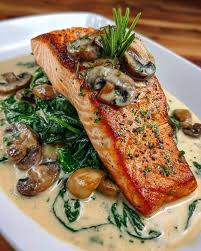
Ingredients (1 serving)
- 150–180 g salmon fillet
- 1½ tablespoons butter
- 1 clove garlic (minced)
- 1 cup fresh spinach
- 2 tablespoons heavy cream
- Salt and black pepper (to taste)
- Optional: lemon juice or dried herbs
Preparation
- Season the salmon with salt and black pepper.
- Heat 1 tablespoon butter in a pan over medium heat.
- Cook salmon skin-side down for 3–4 minutes per side until cooked through; remove and set aside.
- In the same pan, add remaining butter and garlic; sauté briefly.
- Add spinach and cook until wilted.
- Stir in heavy cream and simmer for 1–2 minutes until slightly thick.
- Return salmon to the pan or serve on top of the creamy spinach.
Macronutrient Breakdown (Approximate)
- Calories: 500–550 kcal
- Fat: 38–42 g
- Protein: 30–35 g
- Net Carbs: 3–4 g
Why This Works Well for Dinner
- High-fat, low-carb composition maintains ketosis overnight
- Salmon provides omega-3s for inflammation control
- Light vegetables prevent bloating and blood sugar spikes
- Creamy texture increases satiety without excess protein
Variations
- Replace salmon with steak or chicken thighs
- Use coconut cream instead of heavy cream
- Swap spinach for cabbage or zucchini
Conclusion
Keto diet recipes simplify meal planning and improve long-term success. You can get easy to do recipes in this cookbook.