Medical Disclaimer
This article is for educational purposes only and does not replace medical advice. Always consult a licensed healthcare provider before making dietary changes, especially if you have insulin resistance, prediabetes, diabetes, or take prescription medications.
Introduction
Insulin resistance is a major public health concern in the United States and a leading driver of weight gain, prediabetes, and type 2 diabetes. According to the Centers for Disease Control and Prevention (CDC), more than 96 million U.S. adults have prediabetes, and insulin resistance is a core underlying factor.
A properly designed ketogenic diet plan can significantly improve insulin sensitivity, reduce fasting insulin levels, and support sustainable fat loss when followed correctly. This doctor-reviewed guide presents a structured, evidence-based keto diet plan tailored specifically for insulin resistance, using U.S. medical standards and guidance aligned with the CDC, FDA, Harvard Medical School, and Mayo Clinic.
What Is Insulin Resistance?
Insulin resistance occurs when muscle, liver, and fat cells do not respond efficiently to insulin. As a result, glucose remains in the bloodstream, and the pancreas compensates by producing more insulin. Chronically elevated insulin levels promote fat storage, inflammation, and metabolic dysfunction.
Left unmanaged, insulin resistance increases the risk of:
- Prediabetes and type 2 diabetes
- Central (abdominal) obesity
- Cardiovascular disease
- Nonalcoholic fatty liver disease
Mayo Clinic recognizes insulin resistance as a reversible condition when addressed through diet, physical activity, and weight management.
Why the Keto Diet Works for Insulin Resistance
The ketogenic diet reduces carbohydrate intake to a level that minimizes blood glucose spikes and lowers insulin demand. By limiting glucose availability, the body transitions to using fat and ketones as its primary energy source.
Harvard Medical School research indicates that low-carbohydrate diets may be particularly effective for individuals with insulin resistance due to:
- Reduced insulin secretion
- Improved metabolic flexibility
- Decreased visceral fat
- Improved glycemic control
Unlike calorie-restricted diets that still rely heavily on carbohydrates, keto directly targets the hormonal driver of insulin resistance.
Is Keto Safe for Insulin Resistance?
For most adults, keto is safe when properly planned. The FDA and CDC emphasize that safety depends on food quality, nutrient adequacy, and avoiding extreme dietary practices.
Keto is generally safe when:
- Whole foods are prioritized
- Protein intake is adequate
- Electrolytes are maintained
- Ultra-processed foods are avoided
Individuals taking insulin or glucose-lowering medications must work with a healthcare provider to avoid hypoglycemia.
Who Should Not Start Keto Without Medical Supervision?
Medical supervision is strongly recommended for:
- Individuals with type 1 diabetes
- Those using insulin or sulfonylureas
- Pregnant or breastfeeding women
- People with kidney, liver, or eating disorders
Mayo Clinic advises individualized dietary planning for these groups.
Best Keto Macros for Insulin Resistance
A clinical keto macro range optimized for insulin resistance:
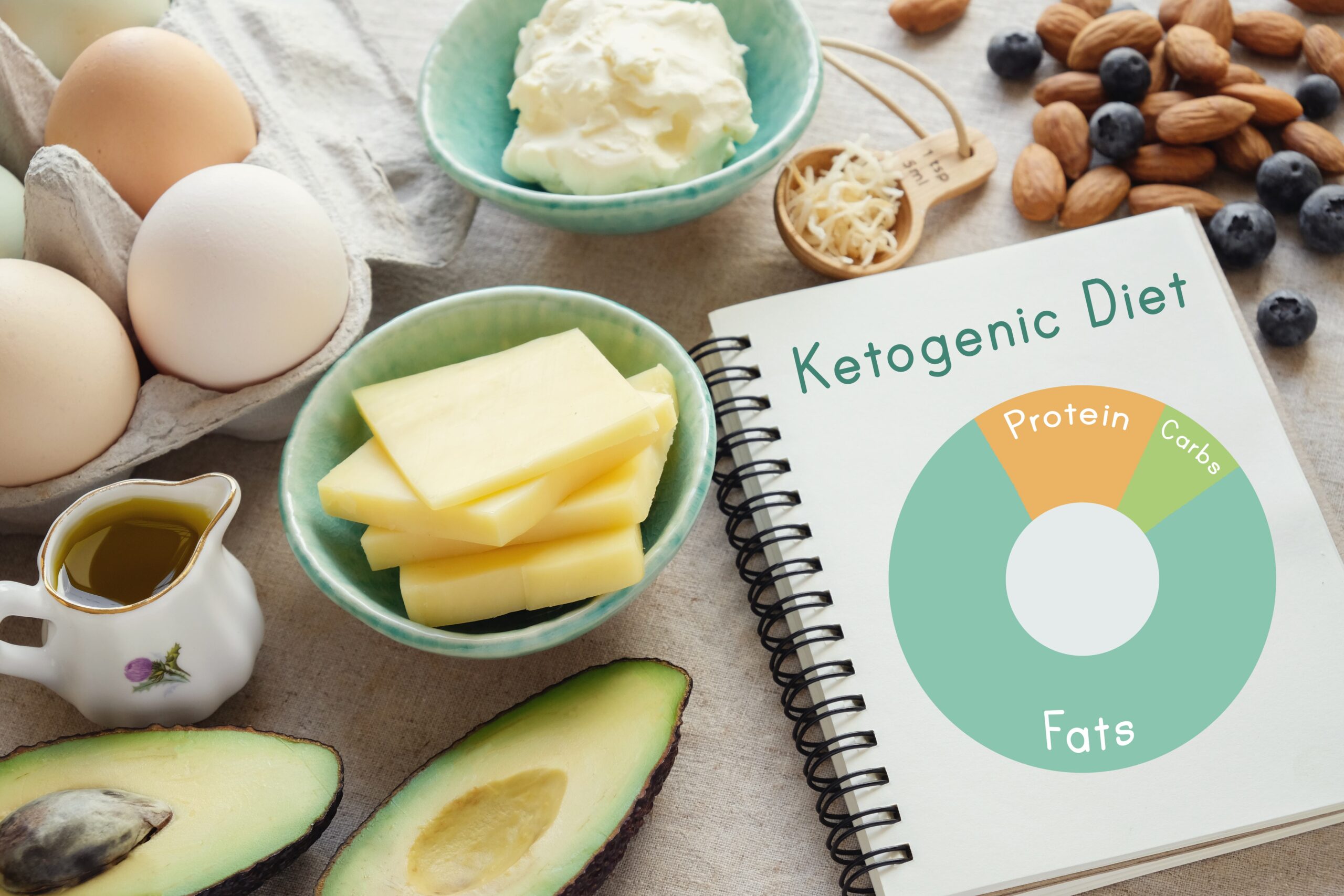
- Fat: 65–70%
- Protein: 25–30%
- Net carbohydrates: 20–30 grams per day
Protein should not be excessively restricted. Adequate protein improves insulin sensitivity, preserves lean muscle mass, and increases satiety.
Best Foods for Insulin Resistance on Keto
Foods supported by CDC and Harvard dietary guidance:
- Fatty fish (salmon, sardines)
- Eggs
- Lean meats and poultry
- Leafy greens
- Cruciferous vegetables
- Olive oil, avocado oil
- Nuts and seeds (moderate portions)
These foods stabilize blood sugar while providing essential micronutrients.
Foods to Avoid Completely
Avoid foods shown to worsen insulin resistance:
- Added sugars
- Sweetened beverages
- Refined grains
- Ultra-processed foods
- Trans fats
The FDA identifies added sugar and refined carbohydrates as primary contributors to metabolic disease.
7-Day Keto Diet Plan for Insulin Resistance
This sample structure supports metabolic stability.
Breakfast:
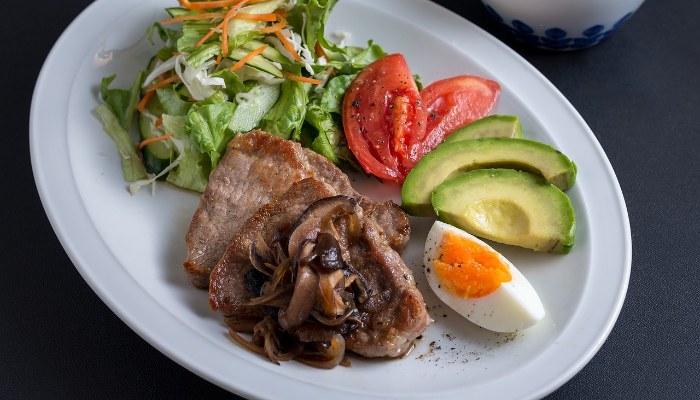
High-protein, low-carb meals such as eggs with vegetables, plain Greek yogurt alternatives, or protein-based smoothies without sugar.
Lunch:
Protein-forward salads with olive oil-based dressings and non-starchy vegetables.
Dinner:
Lean protein paired with vegetables and measured healthy fats.
Optional Snacks:
Only if hunger persists. Focus on protein and fiber.
Hydration and electrolytes are essential daily.
Electrolytes and Insulin Sensitivity
Low-carb diets increase sodium and water excretion. Inadequate electrolytes can cause fatigue, headaches, and muscle cramps.
Key electrolytes:
- Sodium
- Potassium
- Magnesium
Mayo Clinic supports maintaining electrolyte balance for metabolic health.
Weight Loss Expectations on Keto
Safe, sustainable fat loss averages:
- 1–2 pounds per week
Rapid early weight loss often reflects water loss due to glycogen depletion.
How to Track Progress Medically
Recommended clinical markers:
- Fasting glucose
- Fasting insulin
- HbA1c
- Waist circumference
CDC supports routine monitoring of these markers for metabolic risk reduction.
Common Medical Mistakes on Keto
Frequent errors include:
- Undereating protein
- Overeating fat
- Avoiding vegetables
- Relying on processed keto products
A clinical keto approach emphasizes balance, not extremes.
Best Keto Programs for Insulin Resistance
Criteria for evaluation:
- Evidence-based meal planning
- Protein adequacy
- Medical credibility
- Long-term sustainability
- User adherence
Compare programs based on food quality, coaching support, and scientific backing.
Keto vs Low-Carb vs Mediterranean Diet
Keto:
Rapid insulin reduction, effective for insulin resistance.
Low-Carb:
Moderate improvement, easier long-term adherence.
Mediterranean:
Strong cardiovascular benefits, slower glycemic improvements.
Harvard research supports individualized dietary selection.
What to Look for in Keto Supplements
If supplements are used, FDA guidance recommends:
- Transparent labeling
- Third-party testing
- No disease-treatment claims
Avoid products promising “instant ketosis” or “diabetes cures.”
Long-Term Sustainability
Many individuals transition from strict keto to a low-carb or Mediterranean-style diet after insulin sensitivity improves. Flexibility improves adherence.
Conclusion
A doctor-reviewed keto diet plan can be a powerful therapeutic tool for improving insulin resistance when implemented safely and correctly. By prioritizing whole foods, adequate protein, electrolyte balance, and evidence-based principles, keto can support lasting metabolic health.
This approach aligns with guidance from the CDC, FDA, Harvard Medical School, and Mayo Clinic and emphasizes sustainability over short-term results.