Medical Disclaimer
This article is for educational purposes only and does not constitute medical advice. Always consult a licensed healthcare professional before starting or modifying a diet, especially if you have insulin resistance, diabetes, cardiovascular disease, or take prescription medications.
Introduction
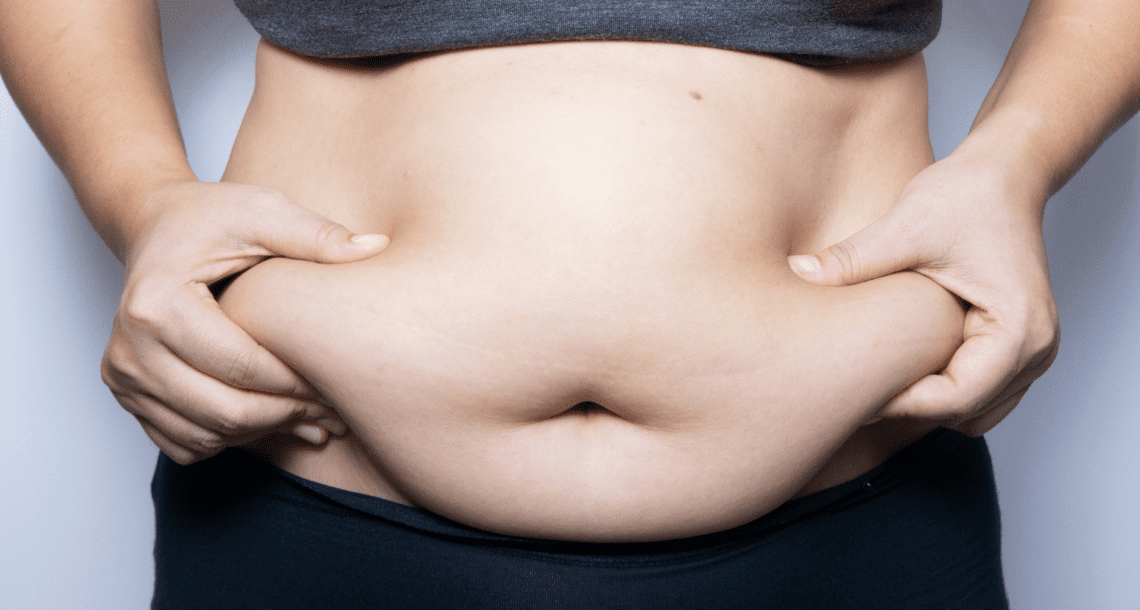
Belly fat, clinically referred to as abdominal or visceral fat, is one of the most concerning forms of excess body fat in the United States. Unlike subcutaneous fat, visceral fat surrounds vital organs and is strongly associated with insulin resistance, type 2 diabetes, cardiovascular disease, and premature mortality. According to the Centers for Disease Control and Prevention (CDC), more than 42% of U.S. adults are classified as obese, and abdominal obesity is a key driver of this epidemic.
The ketogenic (keto) diet is often promoted as an effective strategy for reducing belly fat. Supporters claim that keto targets visceral fat more efficiently than traditional low-fat diets. But does the science support this claim? This long-form, evidence-based article examines whether the keto diet actually helps reduce belly fat, how it works hormonally, and how it compares to other dietary approaches, using guidance aligned with the CDC, FDA, Harvard Medical School, and Mayo Clinic.
What Is Belly Fat and Why Is It Dangerous?
Belly fat consists of two distinct types:
Subcutaneous fat, which lies under the skin, and visceral fat, which accumulates around internal organs such as the liver and pancreas.
Visceral fat is metabolically active. It releases inflammatory cytokines and free fatty acids that worsen insulin resistance and increase cardiometabolic risk. Mayo Clinic identifies excess visceral fat as a stronger predictor of heart disease and type 2 diabetes than body weight alone.
Why Belly Fat Is So Hard to Lose
Belly fat accumulation is hormonally regulated. Chronically elevated insulin levels signal the body to store fat, particularly in the abdominal region. High cortisol from stress, poor sleep, sedentary behavior, and diets high in refined carbohydrates further worsen this process.
Harvard Medical School emphasizes that fat distribution is influenced more by hormones than calories alone, which explains why many calorie-restricted diets fail to reduce belly fat effectively.
How the Keto Diet Works
The ketogenic diet is a very low-carbohydrate, high-fat eating pattern designed to shift the body into ketosis, a metabolic state in which fat and ketones replace glucose as the primary fuel source.
Typical keto macronutrient ranges include:
- Fat: 65–75%
- Protein: 20–30%
- Net carbohydrates: 20–50 grams per day
By sharply reducing carbohydrate intake, insulin levels decline, allowing stored fat to be mobilized more efficiently.
Does Keto Specifically Target Belly Fat?
Keto does not magically target one fat depot, but it does influence the hormonal environment that determines where fat is lost first. Because visceral fat is more metabolically active and sensitive to insulin reductions, it is often lost earlier during low-carbohydrate interventions.
Clinical research reviewed by Harvard indicates that low-carbohydrate diets frequently result in greater reductions in waist circumference compared to low-fat diets, even when total calorie intake is similar.
What the Studies Show
Randomized controlled trials comparing low-carb and low-fat diets consistently demonstrate:
- Greater reductions in fasting insulin
- Larger decreases in waist circumference
- Improved triglyceride levels
- Comparable or superior fat loss
The CDC recognizes waist circumference as an important marker of metabolic health improvement, independent of scale weight.
FDA Perspective on Keto and Weight Loss
The U.S. Food and Drug Administration (FDA) does not endorse specific diets but supports dietary patterns that:
- Reduce added sugars
- Limit refined carbohydrates
- Emphasize whole foods
- Avoid unregulated supplements
A whole-food-based keto diet aligns with these principles when implemented responsibly.
Keto vs Other Diets for Belly Fat
Low-Fat Diet vs Keto
Keto diets typically produce faster reductions in insulin and visceral fat, while low-fat diets often struggle with hunger and adherence in insulin-resistant individuals.
Mediterranean Diet vs Keto
Mediterranean diets offer cardiovascular benefits and sustainability but may produce slower abdominal fat loss compared to keto in metabolically unhealthy populations.
Harvard research supports individualized dietary selection based on metabolic status and personal adherence.
Common Mistakes That Prevent Belly Fat Loss on Keto
Many individuals fail to lose belly fat on keto due to:
- Overconsumption of calorie-dense fats
- Inadequate protein intake
- Hidden carbohydrates
- Chronic stress and poor sleep
- Lack of physical activity
Mayo Clinic highlights sleep and stress management as essential for reducing visceral fat.
How Long Does It Take to Lose Belly Fat on Keto?
Typical timelines:
- Weeks 1–4: Reduced bloating and water weight
- Weeks 6–12: Measurable waist reduction
- 3–6 months: Significant visceral fat loss
Results vary based on insulin sensitivity, consistency, and lifestyle factors.
How to Measure Belly Fat Loss Accurately
Recommended methods include:
- Waist circumference measurements
- Progress photos
- Body composition scans
- Metabolic markers such as fasting insulin and HbA1c
The CDC supports waist measurement as a practical clinical tool.
Exercise and Belly Fat on Keto
While diet drives fat loss, resistance training and walking enhance insulin sensitivity. Mayo Clinic recommends combining dietary changes with regular physical activity for optimal outcomes.
Supplements Marketed for Belly Fat
Many supplements claim to target belly fat. FDA guidance warns against products making disease-treatment claims. Affiliate comparisons should focus on:
- Ingredient transparency
- Third-party testing
- Safety and compliance
No supplement can replace dietary and lifestyle changes.
Long-Term Sustainability
Some individuals transition from strict keto to a lower-carb Mediterranean-style diet after improving insulin sensitivity. Harvard supports flexible carbohydrate management for long-term adherence.
Conclusion
Current scientific evidence supports the keto diet as an effective strategy for reducing belly fat, particularly visceral fat, by lowering insulin levels and improving metabolic health. When implemented with whole foods, adequate protein, and lifestyle support, keto addresses the hormonal drivers of abdominal fat rather than relying solely on calorie restriction.
This evidence-based approach aligns with guidance from the CDC, FDA, Harvard Medical School, and Mayo Clinic and prioritizes sustainable, long-term health outcomes.