MEDICAL DISCLAIMER
This article is for educational and informational purposes only and does not constitute medical advice. The ketogenic diet and dietary supplements may not be appropriate for everyone. Always consult a licensed healthcare professional before making dietary changes, especially if you have a hormonal disorder, diabetes, thyroid disease, are pregnant or breastfeeding, or take prescription medications.
INTRODUCTION
For women over the age of 30, weight loss often feels dramatically different than it did in their 20s. Hormonal fluctuations, metabolic adaptation, chronic stress, sleep disruption, and lifestyle demands all contribute to increased fat storage and slower fat loss. In the United States, the ketogenic diet has gained popularity among women seeking improved insulin sensitivity, reduced cravings, and sustainable fat loss.
However, keto is not a one-size-fits-all solution—especially for women. According to Harvard Medical School and Mayo Clinic, aggressive carbohydrate restriction without proper calorie intake, protein balance, and stress management can negatively affect female hormones.
This comprehensive, doctor-reviewed guide explains how keto affects women over 30, the relationship between hormones and fat loss, the most common mistakes women make, and how to follow keto safely and effectively using evidence-based principles aligned with FDA, CDC, Harvard Medical School, and Mayo Clinic guidance.
HOW FEMALE HORMONES CHANGE AFTER AGE 30
Beginning in the early 30s, women experience subtle but meaningful hormonal shifts. Estrogen and progesterone begin fluctuating more frequently, insulin sensitivity may decline, and cortisol levels often rise due to chronic psychological and physiological stress.
Mayo Clinic explains that these changes can promote abdominal fat storage, increase cravings, and reduce metabolic flexibility. Harvard Medical School emphasizes that diets that are overly restrictive can further disrupt this delicate hormonal balance.
KEY HORMONES AFFECTING FAT LOSS
Insulin
Insulin resistance becomes more common with age. Lower-carbohydrate diets may improve insulin sensitivity, particularly in women with prediabetes or polycystic ovary syndrome (PCOS).
Cortisol
Chronically elevated cortisol promotes fat storage, especially in the abdominal region. Excessive calorie restriction on keto can worsen cortisol imbalance.
Estrogen and Progesterone
Very low calorie or ultra-low carbohydrate intake may reduce estrogen production, potentially disrupting menstrual cycles and metabolic health.
Thyroid Hormones
Harvard Medical School notes that severe carbohydrate restriction may lower T3 thyroid hormone in susceptible individuals, slowing metabolism.
HOW THE KETO DIET WORKS FOR WOMEN
The ketogenic diet limits carbohydrates to shift the body toward fat-based metabolism. This lowers insulin levels and may reduce appetite. Mayo Clinic notes that short-term weight loss is common, but long-term success depends on dietary quality and adherence.
For women over 30, keto must be implemented carefully to avoid hormonal stress.
DOES KETO HELP FAT LOSS IN WOMEN OVER 30?
Keto may support fat loss when combined with adequate protein, sufficient calories, and resistance training. According to the CDC, sustainable weight loss requires long-term behavioral consistency—not extreme restriction.
Women with insulin resistance or PCOS may experience greater benefit, while others may require a more moderate low-carb approach.
COMMON KETO MISTAKES WOMEN OVER 30 MAKE
1: Eating Too Few Calories
Chronic under-eating increases cortisol and slows metabolic rate.
2: Not Eating Enough Protein
Protein supports muscle mass, satiety, and hormone production.
3: Ignoring Electrolytes
Low sodium, potassium, and magnesium can worsen fatigue and stress response.
4: Overusing Processed Keto Foods
Ultra-processed “keto snacks” may stall fat loss.
5: Staying in Deep Ketosis Too Long
Some women benefit from moderate carb cycling.
OPTIMAL KETO MACROS FOR WOMEN OVER 30
- Protein: 0.7–0.9g per pound of lean body mass
- Carbohydrates: 20–50g net carbs daily (individualized)
- Fat: Adjusted to calorie needs, not forced
CDC emphasizes individualized nutrition strategies rather than rigid macro targets.
BEST FOODS FOR HORMONAL BALANCE ON KETO
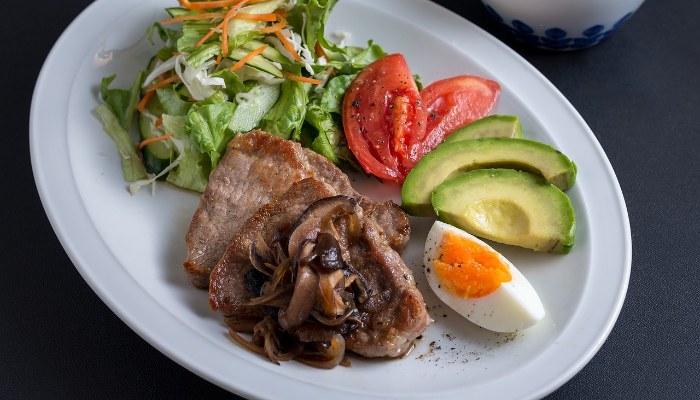
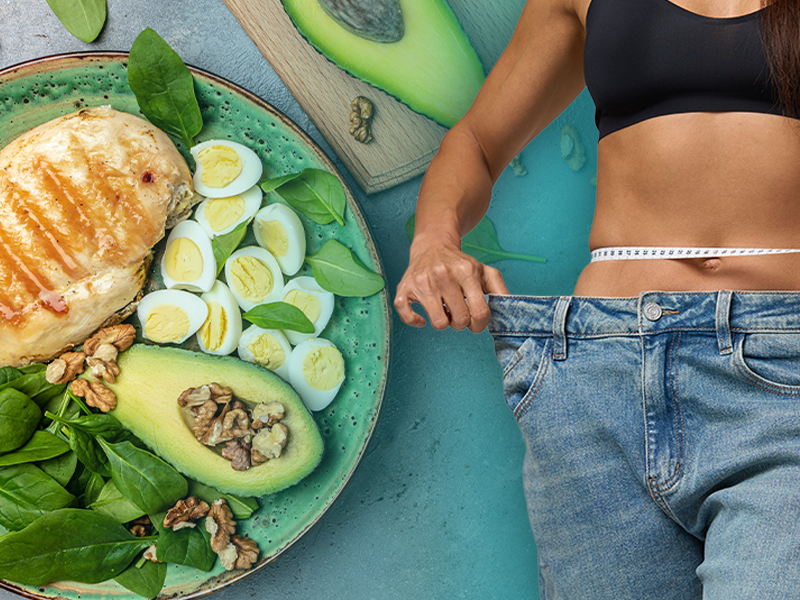
- High-quality proteins (eggs, poultry, fish)
- Omega-3 rich fish (salmon, sardines)
- Healthy fats (olive oil, avocado)
- Low-carb vegetables (leafy greens, broccoli)
- Fermented foods in moderation
FOODS TO LIMIT
- Artificial sweeteners
- Excess dairy
- Highly processed keto products
SUPPLEMENTS FOR WOMEN ON KETO
According to the FDA, supplements should not replace whole foods. Some women may benefit from:
- Magnesium
- Electrolytes
- Fiber supplements
EXERCISE AND KETO FOR WOMEN OVER 30
Mayo Clinic strongly recommends resistance training to preserve muscle mass and support metabolic health. Excessive cardio may elevate cortisol.
SLEEP, STRESS, AND RECOVERY
CDC identifies chronic sleep deprivation as a major contributor to weight gain and insulin resistance. Keto cannot override poor sleep or unmanaged stress.
SIGNS KETO MAY NOT BE RIGHT FOR YOU
- Hair thinning
- Missed periods
- Chronic fatigue
- Cold sensitivity
If symptoms persist, dietary modification or discontinuation may be necessary.
LONG-TERM SUSTAINABILITY
Harvard Medical School emphasizes that sustainable diets prioritize nutrient density, flexibility, and lifestyle compatibility. Keto should be a tool, not a permanent restriction for all women.
FINAL THOUGHTS
For women over 30, the ketogenic diet can support fat loss when implemented with hormonal awareness, adequate nutrition, and lifestyle balance. Extreme restriction, inadequate protein, and chronic stress undermine results.
keto should be individualized, evidence-based, and focused on long-term health—not rapid weight loss promises.