Introduction
Electrolyte balance is one of the most critical yet overlooked aspects of a ketogenic diet. While keto is highly effective for fat loss, metabolic health, and blood sugar control, it significantly alters fluid and mineral balance in the body.
Lower insulin levels increase sodium and water excretion through the kidneys, which also leads to losses of potassium and magnesium. Without intentional replacement, many people experience fatigue, headaches, muscle cramps, dizziness, and reduced performance.
This science-backed review explains how electrolytes function on keto, how to choose the best electrolyte supplements, and what actually works based on physiology and research.
What Are Electrolytes and Why Keto Changes Requirements
Electrolytes are minerals that carry an electrical charge and are essential for nerve signaling, muscle contraction, hydration, and energy production. The primary electrolytes relevant to keto are sodium, potassium, magnesium, calcium, and chloride.
On a ketogenic diet, reduced carbohydrate intake lowers insulin secretion. Lower insulin causes the kidneys to excrete more sodium and water, creating a higher baseline need for electrolytes compared to high-carb diets.
Key Electrolytes Explained
Sodium
Sodium is the most important electrolyte on keto. It maintains blood volume, nerve transmission, and muscle function. Insufficient sodium intake is the primary driver of keto flu symptoms.
Potassium
Potassium works with sodium to regulate muscle contraction and heart rhythm. Deficiency may cause weakness, cramps, and palpitations.
Magnesium
Magnesium supports ATP production, muscle relaxation, and sleep quality. Low levels contribute to fatigue, muscle cramps, and poor recovery.
Calcium and Chloride
Calcium supports muscle contraction and bone health, while chloride helps regulate acid-base balance.
Why Electrolyte Supplements Are Often Necessary on Keto
While whole foods should be prioritized, achieving adequate electrolyte intake from food alone can be difficult on keto due to reduced intake of carbohydrate-rich foods.
Electrolyte supplements provide a reliable and controlled way to maintain mineral balance, particularly during keto adaptation, exercise, fasting, or hot climates.
Symptoms of Electrolyte Imbalance
- Fatigue
- Brain fog
- Muscle cramps
- Headaches
- Dizziness
- Constipation
- Poor exercise performance
How to Choose the Best Electrolyte Supplements for Keto
1. Adequate Sodium Content
Effective keto electrolytes provide at least 1,000 mg of sodium per serving.
2. Bioavailable Magnesium Forms
Magnesium glycinate, malate, or citrate are preferred over oxide forms.
3. Potassium in Safe, Absorbable Doses
Potassium citrate or chloride are ideal.
4. Zero Sugar and Low Carbs
Electrolyte supplements should not disrupt ketosis.
5. Minimal Artificial Additives
Avoid unnecessary fillers, dyes, and artificial sweeteners.
Types of Electrolyte Supplements
Powdered Electrolytes
Flexible dosing and ideal for hydration and workouts.
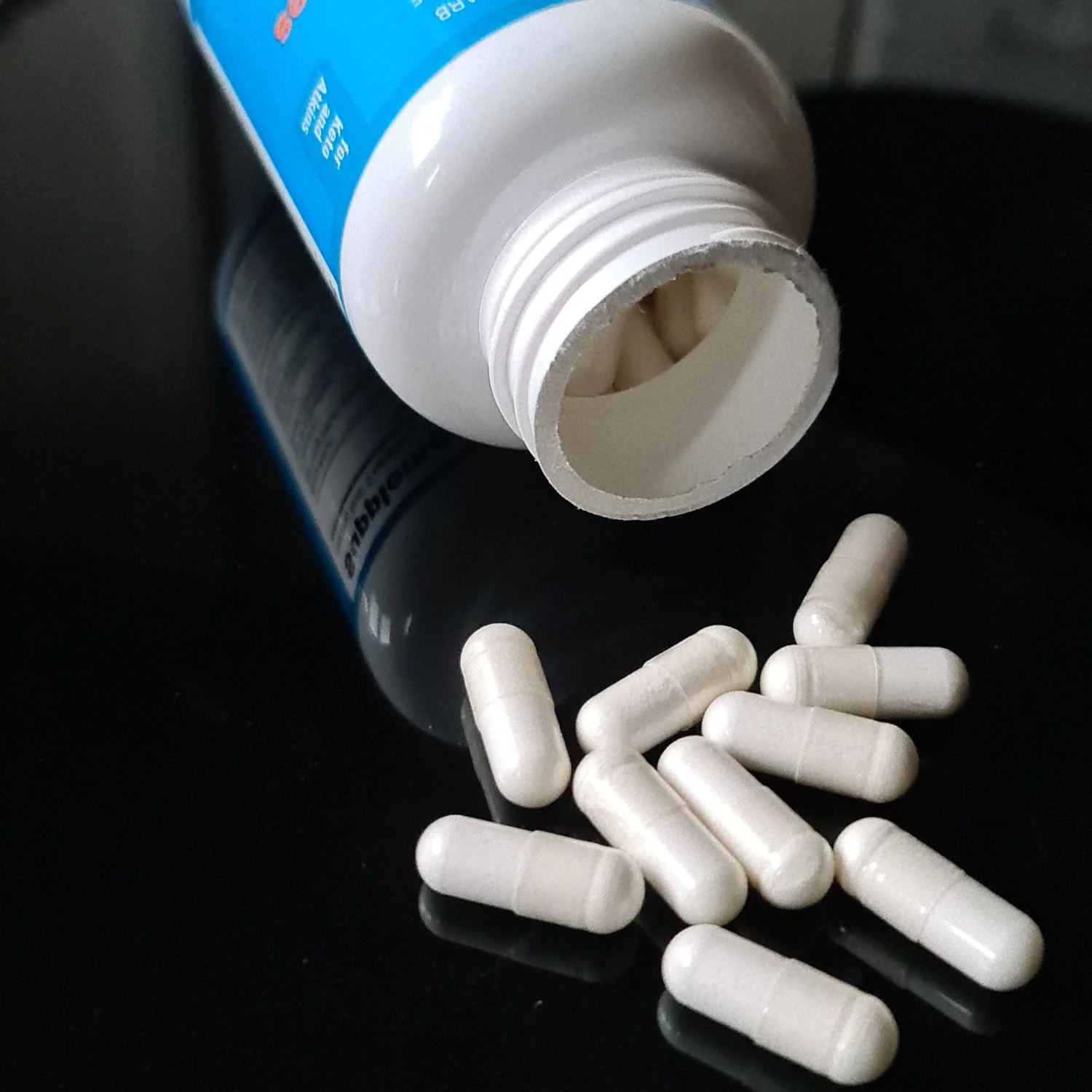
Capsules and Tablets
Convenient but often lower in sodium.
Liquid Concentrates
Fast absorption with adjustable dosing.
DIY Electrolyte Mixes
Cost-effective and customizable.
Science-Backed Benefits of Electrolyte Supplementation on Keto
- Reduced keto flu symptoms
- Improved energy levels
- Enhanced muscle function
- Better workout performance
- Improved sleep quality
Recommended Daily Electrolyte Intake on Keto
- Sodium: 3,000–5,000 mg
- Potassium: 2,000–3,000 mg (food + supplements)
- Magnesium: 300–400 mg
Who Should Be Cautious
Individuals with kidney disease, cardiovascular conditions, or those taking blood pressure medications should consult a healthcare professional before supplementing electrolytes.
Conclusion
Electrolyte supplementation is essential for long-term success on a ketogenic diet. Choosing the right formulation prevents fatigue, supports performance, and makes keto sustainable.
When electrolytes are properly managed, keto becomes a powerful and enjoyable lifestyle rather than a struggle.