Introduction
The ketogenic diet has evolved far beyond its original clinical use, giving rise to different approaches—most notably clean keto and dirty keto. While both methods can technically induce ketosis, their long-term effects on health, sustainability, and results differ significantly.
This article provides a professional, evidence-informed comparison of clean keto and dirty keto, explaining how each works, their benefits and drawbacks, and which approach is more effective for long-term success. The structure and depth are designed to align with the educational style of Keto Fitness–type content.
What Is Clean Keto?
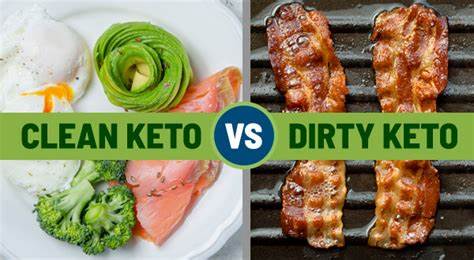
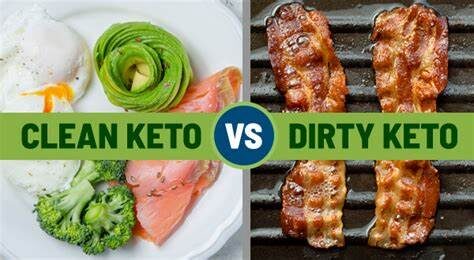
Clean keto focuses on whole, minimally processed foods while maintaining ketogenic macronutrient ratios. The emphasis is on food quality, nutrient density, and metabolic health—not just carbohydrate restriction.
Clean keto typically includes:
- Whole, unprocessed meats and fish
- Eggs
- Healthy fats such as olive oil, avocado, butter, and coconut oil
- Low-carbohydrate vegetables
- Minimal additives or artificial ingredients
The goal is not only ketosis, but also inflammation control, micronutrient sufficiency, and long-term metabolic health.
What Is Dirty Keto?
Dirty keto prioritizes macronutrient targets over food quality. As long as carbohydrate intake stays low enough to maintain ketosis, food choices are considered acceptable—even if they are highly processed.
Dirty keto often includes:
- Processed meats
- Artificially sweetened products
- Refined vegetable oils
- Fast food modified to be low-carb
- Packaged “keto” snacks
While this approach can maintain ketosis, it may compromise overall health.
How Both Approaches Achieve Ketosis
Both clean and dirty keto restrict carbohydrates enough to lower insulin levels and promote ketone production. From a purely metabolic standpoint, ketosis can occur regardless of food quality.
However, ketosis alone does not guarantee optimal health outcomes.
Differences in Nutrient Density
Clean keto provides:
- Higher micronutrient intake
- Better fiber content
- Improved gut health support
- Lower inflammatory load
Dirty keto often lacks:
- Essential vitamins and minerals
- Adequate fiber
- Antioxidants and phytonutrients
Over time, nutrient deficiencies may develop with dirty keto.
Impact on Inflammation and Hormones
Highly processed foods and refined oils commonly used in dirty keto can increase inflammation and oxidative stress. Chronic inflammation negatively affects insulin sensitivity, hormone regulation, and cardiovascular health.
Clean keto’s emphasis on whole foods supports hormonal balance and metabolic resilience.
Energy Levels and Performance
Clean keto typically results in:
- More stable energy
- Better digestion
- Improved workout recovery
Dirty keto may cause:
- Energy crashes
- Gastrointestinal discomfort
- Increased cravings
Weight Loss and Body Composition
Both approaches may produce short-term weight loss. However, clean keto is more effective for preserving lean mass, supporting satiety, and preventing rebound weight gain.
Dirty keto may encourage overeating due to hyper-palatable foods.
Long-Term Sustainability
Sustainability is where the two approaches differ most.
Clean keto:
- Encourages habit formation
- Supports long-term health markers
- Is easier to maintain without constant tracking
Dirty keto:
- Often leads to cravings and burnout
- May negatively impact gut health
- Is harder to sustain long-term
Gut Health Considerations
Clean keto includes fiber-rich vegetables and fermented foods that support gut microbiota diversity.
Dirty keto diets are often low in fiber and high in emulsifiers and additives that disrupt gut health.
Mental Clarity and Cognitive Function
Clean keto supports brain health through stable blood sugar and nutrient-dense fats.
Dirty keto may impair cognitive clarity due to inflammation and micronutrient gaps.
Which One Actually Works Long-Term?
From a long-term perspective, clean keto is superior for:
- Metabolic health
- Hormonal balance
- Energy stability
- Sustainable weight management
Dirty keto may work short-term but carries higher risk of burnout and health issues.
Who Might Use Dirty Keto Temporarily
Some individuals may use dirty keto briefly for convenience or transition purposes. However, it should not be viewed as a long-term strategy.
Conclusion
While both clean keto and dirty keto can achieve ketosis, only clean keto consistently supports long-term health, sustainability, and performance.
For individuals seeking lasting results—not just temporary weight loss—clean keto is the more effective and responsible approach.