Introduction
Snacking on a ketogenic diet can either support consistent fat loss and energy—or quietly undermine results. For many people in the United States, snacking is a daily habit shaped by busy schedules, convenience foods, and constant food availability. On keto, however, snack choices matter far more than on standard diets.
This professional, long-form guide explains how to snack correctly on the keto diet, which snacks support ketosis, which ones commonly cause stalls, and how to build a sustainable approach to snacking that aligns with long-term health and weight management.
What Does “Keto-Friendly” Mean for Snacks?
A keto-friendly snack keeps carbohydrates low enough to maintain ketosis while supporting satiety and stable energy.
Key characteristics include:
- Low net carbohydrates (typically under 5–7g per serving)
- Moderate protein
- Healthy fats without excessive calories
- Minimal processing and additives
Many foods marketed as “keto” do not meet these criteria.
Do You Need Snacks on a Keto Diet?
One of the benefits of keto is natural appetite control. Many people find they need fewer snacks over time.
However, snacks may be useful:
- During keto adaptation
- For physically active individuals
- To prevent undereating protein
- During long gaps between meals
Snacking should be intentional—not automatic.
Whole-Food Keto Snacks (Best Option)
Whole foods provide the most reliable nutrition and appetite control.
Examples include:
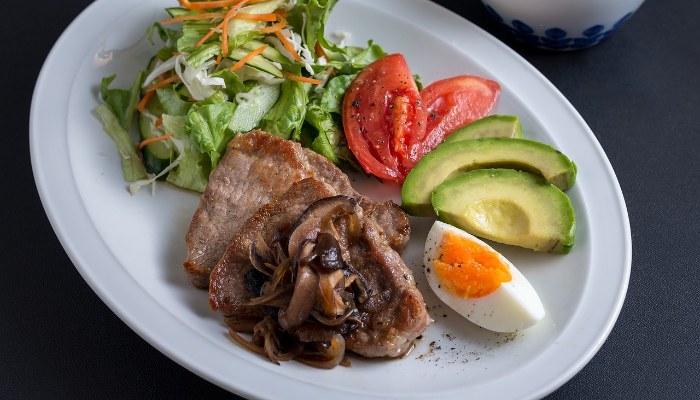
- Hard-boiled eggs
- Cheese (portion-controlled)
- Olives
- Avocado slices
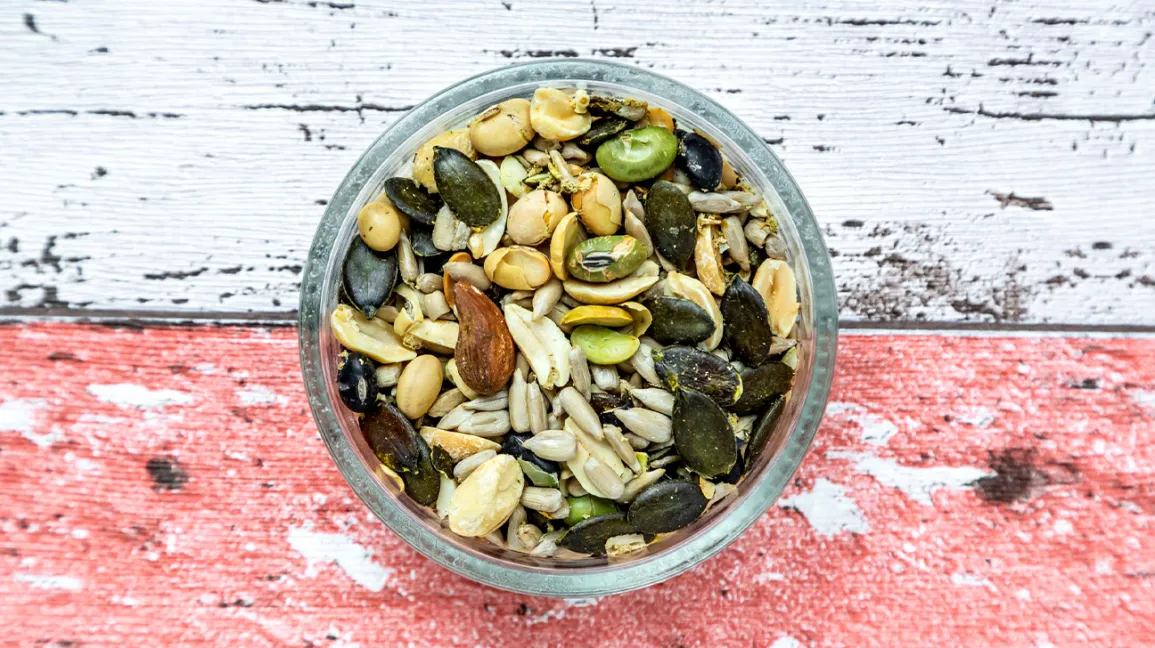
- Nuts and seeds (measured portions)
- Unsweetened jerky
Whole-food snacks reduce cravings and limit hidden carbs.
Packaged Snacks on the Keto Diet
Packaged snacks are convenient but require careful label reading—especially in the U.S. market.
Look for:
- Clear net-carb labeling
- No added sugars
- No maltitol or hidden starches
- Short ingredient lists
Sweet Snacks on Keto: Pros and Cons
Sweet keto snacks may help adherence but can also increase cravings.
Common options:
- Dark chocolate (85–90% cocoa)
- Keto fat bombs
- Unsweetened yogurt alternatives
Artificial sweeteners affect individuals differently and should be used cautiously.
Savory Keto Snacks That Promote Satiety
Savory snacks are often more filling and less likely to trigger overeating.
Examples:
- Cheese crisps
- Pork rinds (clean ingredients)
- Deviled eggs
- Tuna or chicken salad (low-carb)
These snacks better support appetite regulation.
Keto Snacks for Work, Travel, and Busy Days
For U.S.-based lifestyles, convenience is critical.
Portable snack ideas:
- Nuts in portioned containers
- Single-serve cheese
- Shelf-stable jerky
- Electrolyte drinks without sugar
Planning ahead reduces impulse eating.
Snacking and Weight Loss on Keto
Snacking does not automatically prevent fat loss, but excessive dietary fat can stall progress.
Guidelines:
- Snack only when physically hungry
- Prioritize protein if energy is low
- Avoid continuous grazing
Common Mistakes When Snacking on Keto
Avoid:
- Overeating nuts
- Relying on packaged keto desserts
- Ignoring portion sizes
- Snacking out of boredom or stress
Awareness and structure are essential.
How Often Should You Snack on Keto?
Some people thrive with no snacks, others need one strategic snack daily. There is no universal rule—results and hunger cues should guide decisions.
Conclusion
Snacks on the keto diet can support energy, adherence, and fat loss when chosen wisely. Whole foods, simple ingredients, and mindful portions outperform most processed options.
By understanding when and how to snack, you can maintain ketosis, avoid plateaus, and build a keto lifestyle that works long-term.